
Conditions and care guides
Last updated November 24, 2026
These guides help you understand common back, neck, joint and muscle concerns and how to talk with a chiropractor about them. They also help you know when to see a medical doctor first.

What these guides cover
The guides cover common reasons people search for chiropractic care, such as back pain, neck stiffness, and joint soreness. Each guide explains the topic in plain words. It tells you what a chiropractor may check, such as your movement, posture, and spinal joints. It also lists questions to ask before care.
These guides do not give medical advice and do not promise results.
Who these guides help
These guides help adults and caregivers who are trying to decide whether to call a chiropractor. They are written for people with new symptoms, long term aches, or general questions about care. They also help you spot signs that may need a doctor first.
How to use the guides
Read the guide that matches your question. Write down your symptoms and what makes them better or worse. Bring that note to your visit. If you have red flags, call a doctor or 911 first. Then use the directory to find a chiropractor near you.
Questions
Do these guides replace medical advice?
No. They are general education. Talk to a chiropractor or doctor about your own situation. For an emergency, call 911.
Which symptoms mean I should see a medical doctor first?
See a doctor before starting chiropractic care if you have a fever with back pain, back pain after a fall or car crash, a history of cancer or osteoporosis with new back pain, or unexplained weight loss with back pain. These can be signs of a problem that needs a doctor first.
Does Chiropractor Navigator say chiropractic care will help my condition?
No. We do not promise results or say care treats any condition. The guides explain what to ask and how to check a chiropractor's record. Ask a chiropractor or doctor whether care may be right for you.
Where can I find a chiropractor?
Use the Chiropractor Navigator search. You can filter by location, insurance, technique, and need. Contact the practice directly to ask questions and confirm details.

 Headaches, migraines, and chiropractic care: what to knowChiropractic care focuses on how the spine, muscles, and joints move, and some people seek it for headache or migraine support. Care is individual and does not promise a specific outcome; always ask your chiropractor or medical doctor about your own situation.

 Neck Pain and Chiropractic Care: What to KnowNeck pain has many causes, and chiropractic care is one option some people consider. This guide covers what a chiropractor may do, safety signs to watch for, and how to find a chiropractor who takes your insurance.

 Pregnancy-related back pain: what to knowPregnancy shifts your center of gravity and loosens joints, which can lead to back and pelvic pain. Learn what may help, when to call your doctor, and what to ask before trying chiropractic care during pregnancy.

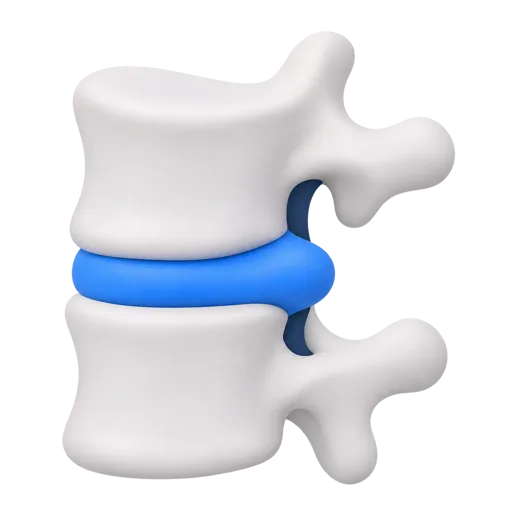 What to know about a herniated or bulging discA spinal disc is a pad between the bones of your spine. A bulging or herniated disc can press on nearby nerves and cause back, neck, arm, or leg symptoms, but some people have no symptoms; chiropractic care may be one option to help manage symptoms after serious causes are ruled out.

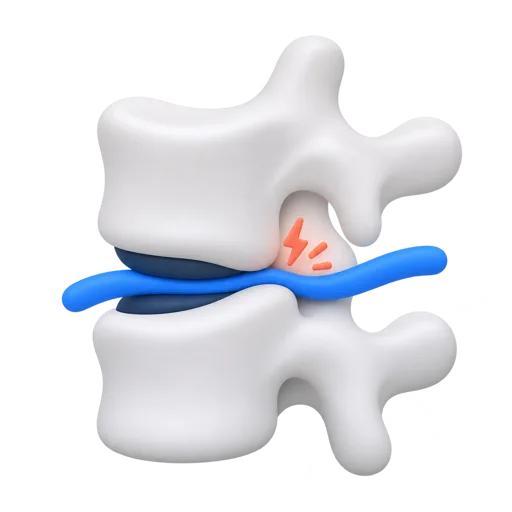 What to Know About a Pinched NerveA pinched nerve is pressure on a nerve from nearby tissue such as bone, disc, or muscle. It can cause pain, tingling, numbness, or weakness, and you should see a doctor first for red flag symptoms.

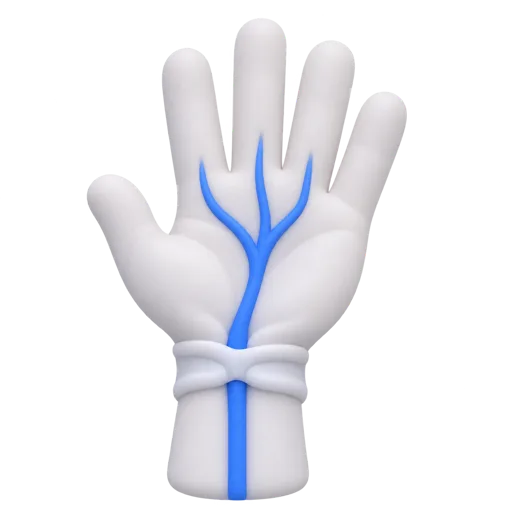 What to know about carpal tunnel and chiropractic careChiropractic care may help some people manage wrist, hand, and arm discomfort related to carpal tunnel syndrome. It is not a replacement for medical evaluation, and you should see a doctor first for numbness, weakness, or pain that is getting worse.

 What to know about low back pain and chiropractic careLow back pain is very common and often gets better with time, movement, and simple home care. A chiropractor may offer spinal adjustments, exercise guidance, and other hands-on care as one part of a plan you discuss with your doctor.

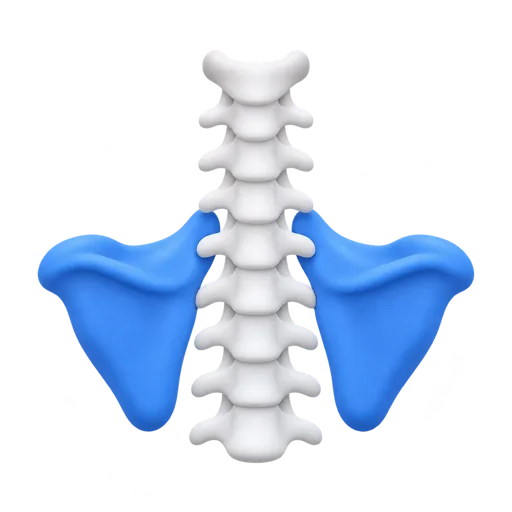 What to know about pain between the shoulder bladesPain between the shoulder blades is common and often relates to posture, muscle strain, or how the mid back moves. This guide covers possible causes, red-flag symptoms, home comfort steps, and what to ask a chiropractor if you decide to seek care.

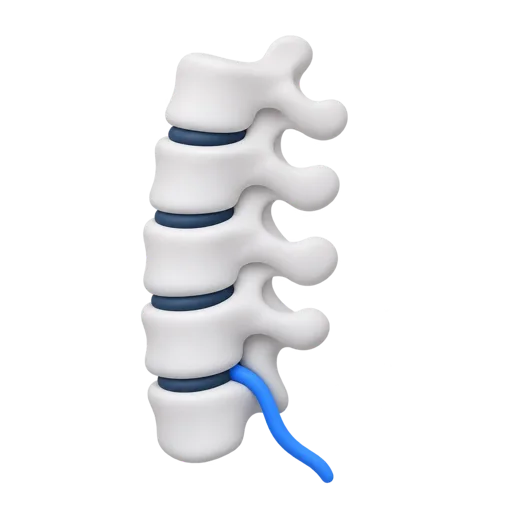 What to know about sciatica and chiropractic careSciatica is a set of symptoms, not a disease. A chiropractor may check your spine and movement and suggest a care plan, but some warning signs need a doctor or emergency care first.

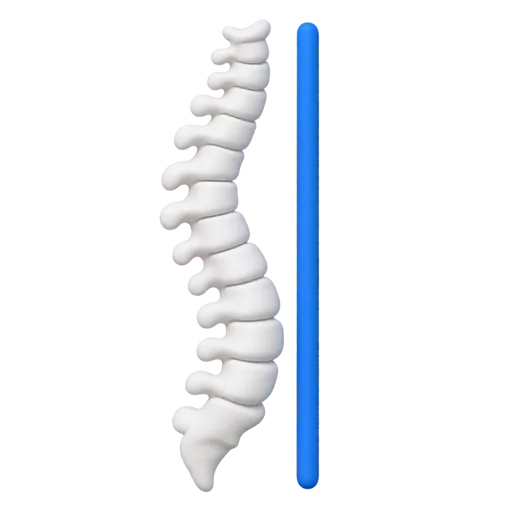 What to know about scoliosis and chiropractic careScoliosis is a side-to-side curve of the spine. Chiropractic care may support comfort, posture habits, and movement, but it does not straighten the curve or treat scoliosis itself.

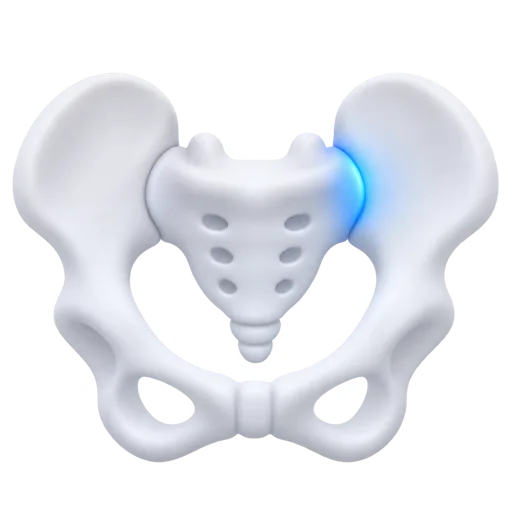 What to know about SI joint painSI joint pain is discomfort where your sacrum meets your pelvis, often felt on one side of the low back or buttock. This guide explains symptoms, causes, red flags, and how to talk with a chiropractor about care options.

 What to know about sports injuries and chiropractic careChiropractic care for a sports injury usually starts with an exam to rule out serious problems. It may include spinal adjustments, soft tissue work, and home exercises as part of a plan you and your chiropractor agree on.

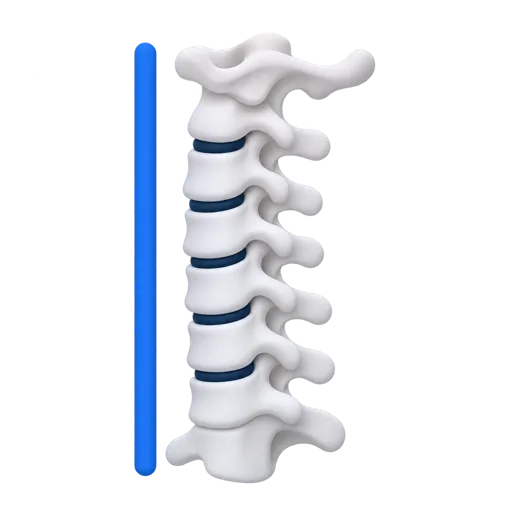 What to know about upper back and postureUpper back tightness often relates to how you sit, stand, and move during the day. A chiropractor can check how your mid-back joints move and offer general guidance, but see a doctor first for any red flags.

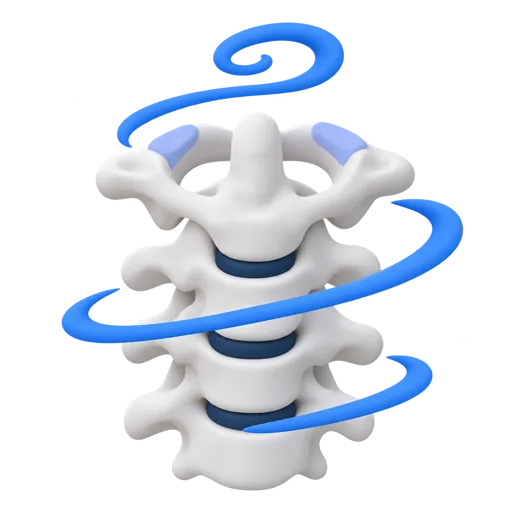 What to Know About Vertigo, Dizziness, and Chiropractic CareVertigo is a spinning feeling, while dizziness can mean feeling lightheaded or off balance. A chiropractor may help you understand your symptoms and suggest next steps, but it is not a replacement for a medical check when symptoms are new or severe.

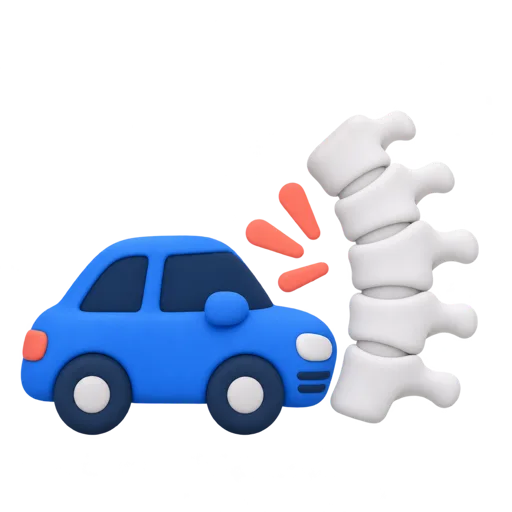 What to know about whiplash after a car crashWhiplash is a neck injury from a sudden back-and-forth motion, often after a rear-end crash. A chiropractor can check how your neck moves, suggest ways to ease stiffness, and document care for your auto claim.