
What to Know About a Pinched Nerve
Share this page
A pinched nerve is pressure on a nerve from nearby tissue such as bone, disc, or muscle. It can cause pain, tingling, numbness, or weakness, and you should see a doctor first for red flag symptoms.
- 60,432 chiropractic offices listed
- in 51 states
7 min readPublished November 21, 2026Updated November 24, 2026
AI-assisted. AI disclosureEditorial policy

Find Chiropractic care near you












What is a pinched nerve?
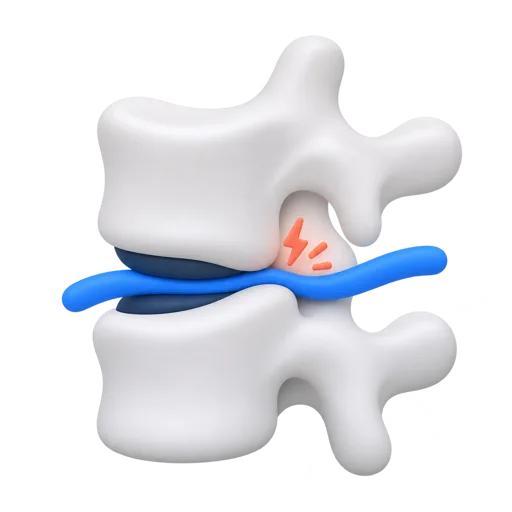
A pinched nerve is a common name for pressure on a nerve. The pressure can come from bone, muscle, cartilage, or other tissue. That pressure can change how the nerve sends signals. You may feel pain, tingling, numbness, or weakness along the nerve's path.
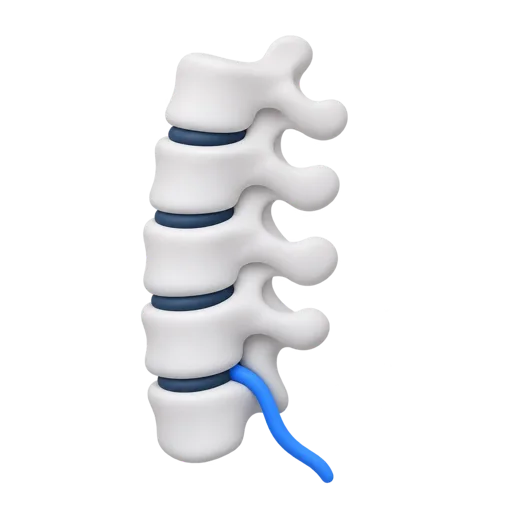
Doctors may call this nerve compression or radiculopathy. A pinched nerve in the neck may be called cervical radiculopathy. A pinched nerve in the low back may be called lumbar radiculopathy. When it affects the large sciatic nerve, people may call it sciatica.
A pinched nerve can happen anywhere a nerve travels through a tight space. The spine, wrist, elbow, and shoulder are common spots. Not all pain in these areas means you have a pinched nerve. Other issues, like muscle strain, can feel similar.
Common symptoms
Symptoms depend on where the nerve is and how much pressure it has.
A pinched nerve in the neck may cause:
- Sharp, aching, or burning pain in the neck
- Pain that travels into the shoulder, arm, hand, or fingers
- Tingling or a 'pins and needles' feeling
- Numbness in the arm or hand
- Weakness when you grip or lift things
A pinched nerve in the low back may cause:
- Pain in the low back or buttock
- Pain, tingling, or numbness that travels into the leg or foot
- Leg weakness or a heavy feeling in one leg
- Symptoms that change with sitting, standing, or certain movements
Symptoms often affect one side of the body. They may come and go. Some people feel worse when they cough, sneeze, or sit for a long time. Only a doctor or chiropractor can evaluate your symptoms and rule out other causes.
What may cause a pinched nerve
Many things can put pressure on a nerve.
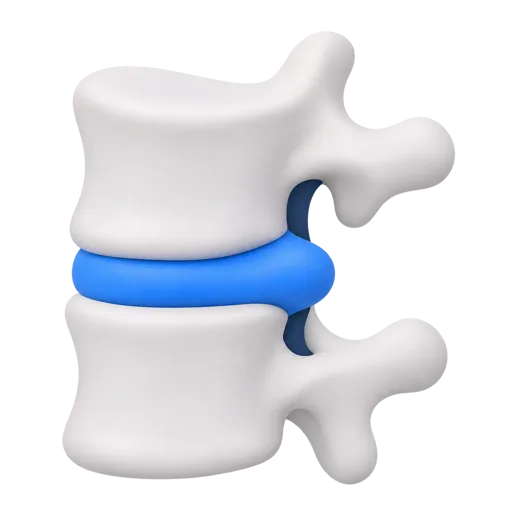
A disc in the spine can bulge or herniate and press on a nearby nerve root. Bone spurs can build up over time and narrow the space where a nerve exits the spine. Spinal stenosis, a narrowing of the spinal canal, can also press on nerves. An injury from a fall, crash, or sports contact may cause swelling or a disc problem. Repetitive motion or long periods of poor posture may add stress to certain joints. Pregnancy changes can also shift posture and add pressure in the low back or wrist.
Sometimes the exact cause is not clear. The same symptoms can come from muscle tightness or joint stiffness. That is why a full evaluation matters before you start any care.
Red flags: when to get medical help right away
Some nerve symptoms need urgent medical care, not a chiropractic adjustment. Call 911 or go to an emergency room if you have:
- Loss of bladder or bowel control
- Numbness in the saddle area, which is the inner thighs, genitals, buttocks, or anus
- Leg weakness or numbness that is getting worse
- Stroke-like signs such as sudden severe headache, trouble speaking, face drooping, or weakness on one side, especially after a neck injury or neck adjustment
See a doctor first, not a chiropractor, if back pain comes with:
- A fever
- Back pain after a fall, crash, or other injury
- A history of cancer or osteoporosis with new back pain
- Unexplained weight loss
Some people ask whether neck adjustments can cause or prevent a stroke. This guide takes no position on cause or prevention. The risk of a serious problem after a neck adjustment is rare but serious. Call 911 if you see any stroke signs.
How chiropractors may help
Chiropractic care is one option some people discuss for managing symptoms. Results vary from person to person. No provider should promise a specific outcome.
A chiropractor is a Doctor of Chiropractic (DC), not a medical doctor. They focus on how the spine and joints move. They may use spinal adjustments, exercise advice, and other hands-on care. A spinal adjustment is a controlled push to a joint. The goal is to improve how the joint moves. It does not claim to change the nerve itself.
Some chiropractors may use the word subluxation to describe a spinal joint that is not moving well. That is a chiropractor's term. It is not the same as a medical diagnosis. Ask your chiropractor to explain any term you do not understand.
What a chiropractor may do at a first visit
A first visit usually starts with questions. You may be asked about:
The chiropractor may check your posture, range of motion, muscle strength, and reflexes. They may ask you to bend, walk, or move your arms or legs. If they see signs of a medical problem, they should refer you to a doctor.
Some chiropractors may suggest x-rays or other imaging if there is a reason, such as trauma, numbness that is getting worse, or a history of cancer. Not every person needs imaging. Ask why any test is being recommended.
If the chiropractor suggests a care plan, ask what it includes. A plan may include adjustments, exercises, or other hands-on care. It should be based on your goals and response to care, not a one-size-fits-all package.
- Your symptoms and when they started
- What makes them better or worse
- Past injuries, surgeries, and health conditions
- Medicines and supplements you take
- Red flag symptoms, like the ones above
Questions to ask your doctor or chiropractor
Before you begin care, ask:

What might be causing my symptoms?
Do I need a medical exam or imaging first?
What would a care plan include, and how long would it last?
What signs would mean I should stop care and see a doctor?
Are there stretches or changes at home that may help?
What are the risks and benefits of any adjustment you suggest?
How will we know if care is working?
A good provider will answer these questions in plain words. You have the right to understand your care.
What to expect over time
There is no set timeline for a pinched nerve. Some people notice changes within a few weeks. Others may need more time. Your timeline depends on the cause, your overall health, and how you respond to care.
Do not judge care by one visit. You may need several visits before you can tell if a plan is helping. Ask your chiropractor or doctor what reasonable markers to watch. These may include less pain with daily tasks, better sleep, or easier movement. If symptoms get worse, tell your provider right away.
What you can do at home
These tips are general information, not medical advice. Ask your doctor or chiropractor before trying new exercises.
- Use heat or ice only as directed by a provider.
- Avoid positions or movements that cause sharp pain.
- Ask your provider how much rest is right for you.
- Try gentle movement if it feels okay.
- Take short breaks from sitting or looking down at a phone.
- Set up your desk so your screen is at eye level and your feet rest flat.
- Use a pillow that keeps your neck in a neutral position.
- Do not force a stretch into sharp pain or numbness.
Home habits can be part of a bigger plan. They are not a replacement for a medical evaluation.
Finding a chiropractor
If you want to see a chiropractor, check your insurance first. Some plans cover a limited number of chiropractic visits. Others may need a referral or prior authorization. Call your plan to ask what applies to chiropractic care for nerve symptoms.
Chiropractor Navigator lets you search chiropractors by insurance, technique, and location. Call the office to confirm they take your plan. Ask how they evaluate nerve symptoms, what a first visit includes, and whether they will refer you to a doctor if needed. Ask for an estimate of any out-of-pocket costs before you commit.
Bring a list of your symptoms, what makes them better or worse, and any imaging reports you already have. That can help the chiropractor understand your situation.
Remember that chiropractic care is one option, not the only option. Your first step for new or worsening nerve symptoms should be a call to your doctor, especially if you have any red flag signs.
Sources
How do I know if I have a pinched nerve?
You may feel sharp, aching, or burning pain, tingling, numbness, or weakness that travels along a nerve path. Only a doctor or chiropractor can evaluate your symptoms and rule out other causes.
Should I see a doctor before a chiropractor for a pinched nerve?
It is often a good idea to see a doctor first for new or worsening nerve symptoms, especially if you have red flags. A chiropractor can also evaluate you, but they may refer you to a medical doctor if needed.
Can a chiropractor help a pinched nerve?
Some people see a chiropractor to discuss ways to manage symptoms related to a pinched nerve. Chiropractic care does not promise a specific result. It may be one part of a broader plan to manage symptoms. Ask what your care plan would include.
What red flags mean I need emergency care?
Call 911 or see a doctor right away for loss of bladder or bowel control, numbness in the saddle area, worsening leg weakness, or stroke signs such as sudden severe headache, trouble speaking, face drooping, or weakness on one side.
What will a chiropractor do for a pinched nerve?
A chiropractor will ask about your health history, examine you, and may check how your spine and joints move. They may suggest an adjustment or other care, or refer you for imaging or to a doctor if needed.
Share this page
Related

 What to know about sciatica and chiropractic careSciatica is a set of symptoms, not a disease. A chiropractor may check your spine and movement and suggest a care plan, but some warning signs need a doctor or emergency care first.

 What to know about a herniated or bulging discA spinal disc is a pad between the bones of your spine. A bulging or herniated disc can press on nearby nerves and cause back, neck, arm, or leg symptoms, but some people have no symptoms; chiropractic care may be one option to help manage symptoms after serious causes are ruled out.

 Red-flag symptoms: when to see a doctor or call 911Some symptoms need a doctor or emergency care before any chiropractic visit. Red flags include loss of bladder or bowel control, saddle numbness, worsening leg weakness, and stroke-like signs.
Find a chiropractor
Search chiropractors