
Pregnancy-related back pain: what to know
Share this page
Pregnancy shifts your center of gravity and loosens joints, which can lead to back and pelvic pain. Learn what may help, when to call your doctor, and what to ask before trying chiropractic care during pregnancy.
- 2,090 prenatal offices listed
- in 51 states
8 min readPublished November 21, 2026Updated November 24, 2026
AI-assisted. AI disclosureEditorial policy













What pregnancy-related back pain feels like
Pregnancy-related back pain does not feel the same for everyone. Pain can show up in the low back, hips, tailbone, or upper back. Some people feel a dull ache after standing or walking. Others feel sharp pain when rolling over in bed, climbing stairs, or twisting.
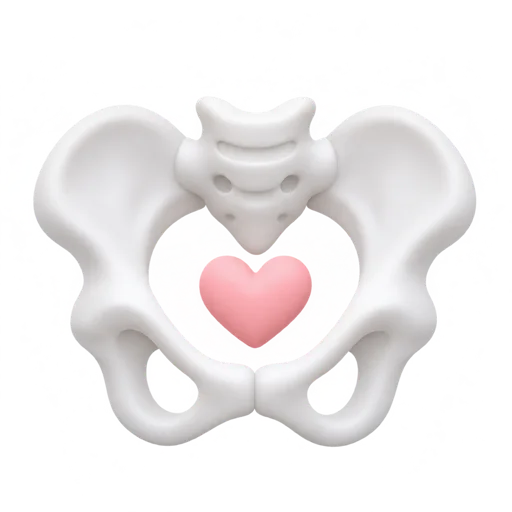
There are two common patterns. Low back pain usually sits above the waist near the lower spine. Pelvic girdle pain sits lower, around the sacroiliac joints, pubic bone, groin, or inner thighs. Pelvic girdle pain may feel like a deep ache or a clicking or grinding feeling in the pelvis. It can make walking or lifting one leg harder.
You may also feel sciatica-like symptoms. That is pain that travels from the low back or hip down the back of one leg. Numbness, tingling, or burning can come with it. These symptoms may be linked to posture changes and extra pressure in the pelvis during pregnancy.
Some back pain is normal as pregnancy progresses. But pain with certain red flags is not. See the red flag section below so you know when to get help.
Why back pain happens during pregnancy
Your body changes in a few ways that can add stress to the spine and pelvis.
Weight gain. You carry more weight in front. This shifts your center of gravity forward.
Posture changes. Many people lean back without noticing to balance the weight. That can increase the curve in the lower back and tire out muscles.
Loosened joints. During pregnancy, the body releases hormones such as relaxin. These hormones allow ligaments and joints to relax. This can make joints in the pelvis and low back move more than usual. That extra movement can feel unstable or sore.
Weakened or stretched core muscles. The belly muscles stretch as the baby grows. This can leave the back doing more work to support the trunk.
Hormone shifts and stress. Pain is not just physical. Changes in sleep, stress, and mood can make muscle tension and pain feel worse.
Knowing why the pain happens can help you understand which changes may help.
What to try at home first
Always talk with your doctor or midwife before starting any new routine. Some home strategies are simple and low risk. Ask what is right for you.
Use a warm compress. Place a warm compress or heating pad on a low setting over the sore area for short periods. Follow your provider's guidance on timing.
Rest in a supported position. Lie on your side with a pillow between your knees. This can take pressure off the pelvis and low back. Use a small pillow under your belly if that feels better.
Wear supportive shoes. Flat, cushioned shoes with good arch support may reduce strain on your back. Avoid high heels or very flat unsupportive footwear.
Try a maternity support belt. A belt or band worn low around the hips can help support the belly and pelvis. Ask your doctor or a physical therapist how to wear it.
Move gently. Short walks, prenatal yoga, stretching, or swimming may help some people feel better. Stop any movement that makes pain worse or causes new symptoms.
Change positions often. Avoid standing or sitting in one spot for too long. When you stand, keep your feet hip-width apart. When you sit, use a small pillow or rolled towel behind your low back.
Ask before using medicine. Do not take over-the-counter pain medicine without checking with your doctor or midwife. Some medicines are not advised during pregnancy.
Home care may ease discomfort. It is not a replacement for medical care when warning signs appear.
Red flags: when to call a doctor or 911
Most pregnancy-related back pain is not an emergency. But some symptoms need fast medical attention. Do not see a chiropractor for these symptoms. Call 911 or go to an emergency room right away if you have back or pelvic pain with any of the following.
- Loss of bladder or bowel control
- Numbness in the saddle area, which is the inner thighs, genitals, and around the anus
- Leg weakness or numbness that is getting worse
- Stroke-like signs, especially after a neck injury or neck adjustment, such as a sudden severe headache, trouble speaking, face drooping, or weakness on one side
- Back pain after a fall, crash, or other injury
- A fever with back pain
- New back pain and a history of cancer or osteoporosis
- Unexplained weight loss with back pain
Also call your OB or midwife right away if back pain comes with:
- Regular contractions before 37 weeks
- Vaginal bleeding or fluid leaking
- A big decrease in your baby's movement
- Severe or sudden headache, vision changes, or swelling in the face or hands
- Pain with burning when you urinate
These signs can point to pregnancy or health problems that need medical care first.
How chiropractic care may fit into your plan
Some pregnant people choose chiropractic care for back and pelvic discomfort. A chiropractor is a Doctor of Chiropractic (DC), not a medical doctor. Chiropractors evaluate how the spine and joints move. They may use spinal adjustments and other hands-on care.
During pregnancy, a chiropractor may use gentle, low-force techniques. Some use tables with a cutout for the belly. Many use side-lying positions so you do not lie face down. They may also suggest home exercises, stretches, or posture changes.
Chiropractic care is not a treatment for pregnancy itself. It is not a replacement for prenatal medical care. It may be one part of your comfort plan if your doctor or midwife says it is okay.
What to tell your chiropractor
Before any care, share full details about your pregnancy. Say how many weeks along you are and your due date. Mention any pregnancy complications or medical conditions. List any past back or pelvic injuries. Tell them if you have high blood pressure, diabetes, placenta concerns, or a history of preterm labor.
Also share any new symptoms, such as bleeding, fluid leaking, contractions, or decreased baby movement. Stop and call your OB or midwife if you have those symptoms.
What a visit may look like
At a first visit, the chiropractor should take a health history and ask about your symptoms. They may watch how you stand, walk, and move. They may feel along the spine and pelvis to find areas that do not move well. A chiropractor may use the word subluxation for a spinal joint that is not moving well. That is a chiropractor's term, not a sign of a dislocated joint.
If they adjust you, they should explain what they will do first. Many choose side-lying positions after the first trimester. They may use a pregnancy pillow or a special table. They should check in about pressure and comfort during care.
No one should promise a specific result. Care should be modified as your body changes through each trimester.
Is chiropractic care during pregnancy safe?
Many pregnant people receive chiropractic care, but no hands-on care is risk-free. There is limited high-quality research on chiropractic care for pregnancy-related back pain. The safest approach is to ask your OB or midwife first and choose a chiropractor who regularly works with pregnant patients.
Chiropractic care has not been shown to prevent miscarriage or turn a breech baby. Be cautious with anyone who claims they can change a baby's position. Chiropractic care is not a substitute for obstetric care.
Rare but serious problems can happen with any spinal adjustment. For neck care, the risk of a serious event such as stroke is rare but serious. This guide takes no position on whether neck manipulation causes or prevents stroke. Call 911 for stroke signs listed above.
Before starting care, ask the chiropractor about their experience with pregnant patients. Ask what techniques they use. Ask how they handle changes in trimester. A good chiropractor will welcome questions and coordinate with your medical team.
Questions to ask before starting care

Do you regularly work with pregnant patients?
Do you require clearance from my OB or midwife?
What positions will you use as my pregnancy progresses?
What techniques do you use for pregnancy-related back or pelvic pain?
Will you adjust the pelvis or low back directly?
What home care can I use between visits?
How will you respond if my pain changes or I have new symptoms?
Will you contact my doctor or midwife if needed?
Write down the answers. If you feel rushed or unsure, you can leave and think about it.
Finding a chiropractor for pregnancy-related back pain
Start with your doctor or midwife. They can tell you if chiropractic care is okay for your situation and may suggest a provider.
Chiropractor Navigator lets you search chiropractors by insurance, technique, and location. That can help you find a chiropractor who works with pregnant patients and takes your plan. Call the office before booking. Ask if they work with pregnant patients often. Ask if they take your insurance and what the first visit includes.
You may also want to check the provider's license with your state chiropractic board. Bring a list of questions and your due date to the first visit. Tell the front desk you are pregnant when scheduling. If anything does not feel right, talk with your OB or midwife before continuing care.
Pregnancy-related back pain can be uncomfortable. Gentle movement, support, and good communication with your care team can help you plan next steps.
Sources
Is back pain common in early pregnancy?
Yes. Some people feel back or pelvic pain even in the first trimester, but it is more common later as weight and posture change. If pain is new or severe, check with your doctor or midwife.
Can a chiropractor help pregnancy-related back pain?
Some pregnant people choose chiropractic care as one comfort measure. A chiropractor may use gentle, low-force adjustments and suggest home exercises. Research is limited, so no one should promise a specific result.
Is chiropractic care safe during pregnancy?
Many pregnant people receive chiropractic care, but no hands-on care is risk-free. Ask your OB or midwife first and choose a chiropractor who regularly works with pregnant patients. Avoid anyone who claims to change a baby's position or prevent miscarriage.
Do I need my doctor's permission to see a chiropractor during pregnancy?
Many OB and midwife offices prefer to clear you first. Ask your provider before starting care. If you have complications such as high blood pressure, bleeding, or placenta concerns, medical clearance is even more important.
What positions do chiropractors use for pregnancy adjustments?
Many use side-lying positions so you do not lie face down. Some use tables with a belly cutout or pregnancy pillows. The chiropractor should explain positions and adjust them as your pregnancy progresses.
Share this page
Related

 Chiropractic care during pregnancy: what to knowPregnant people sometimes see a chiropractor for low back, hip, and pelvic aches. Always clear care with your OB or midwife first, and know which symptoms need medical help instead.

 What to know about low back pain and chiropractic careLow back pain is very common and often gets better with time, movement, and simple home care. A chiropractor may offer spinal adjustments, exercise guidance, and other hands-on care as one part of a plan you discuss with your doctor.

 What to expect at your first chiropractic visitA first chiropractic visit usually includes a health history, a physical exam, and a clear plan discussion. You may receive a spinal adjustment that day if you and the chiropractor agree it is appropriate.
Find a chiropractor
Find prenatal chiropractors