
What to know about pain between the shoulder blades
Share this page
Pain between the shoulder blades is common and often relates to posture, muscle strain, or how the mid back moves. This guide covers possible causes, red-flag symptoms, home comfort steps, and what to ask a chiropractor if you decide to seek care.
- 60,432 chiropractic offices listed
- in 51 states
8 min readPublished November 21, 2026Updated November 24, 2026
AI-assisted. AI disclosureEditorial policy

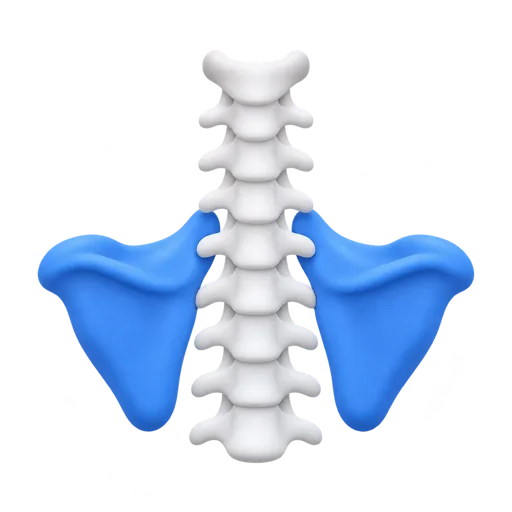
Find Chiropractic care near you












Pain between the shoulder blades: what it feels like
Pain between the shoulder blades sits in the upper back, behind the chest. People often call it an ache, a burning spot, or a sharp catch when they move. It may feel worse after sitting, driving, or working at a desk. It can also show up with a deep breath, a twist, or raising one arm.
This area is sometimes called the mid back or thoracic spine. The ribs attach to this part of the spine. That means muscles, joints, and ribs can all play a role in how the area feels. The pain may be local, or it may spread toward the shoulders, neck, or arms.
Common causes
Many things can lead to pain between the shoulder blades. The most common causes are mechanical, meaning they relate to how the body moves and holds itself. Stress can also tighten the muscles in the upper back and make the area more sensitive.
Muscle strain and overuse
Long hours in one position can strain the muscles between the shoulder blades. This can happen from:
- sitting at a computer with rounded shoulders
- looking down at a phone or tablet for long stretches
- carrying a heavy bag on one shoulder
- doing repeated overhead work or lifting
- sleeping in an awkward position
These habits can tire out the muscles that support the upper back. The area may feel tight, achy, or tender to the touch.
Posture and mid-back movement
When the head sits forward and the shoulders roll in, the muscles between the shoulder blades have to work harder. Over time, this can create a dull ache or a feeling of pressure. Joints in the mid back and ribs may also become stiff. A stiff joint may make it harder to turn or take a deep breath without discomfort.
Joint and rib movement
The ribs attach to the thoracic spine in the upper back. If those joints do not move well, some people describe a sharp or nagging pain near the inside edge of the shoulder blade. The pain may change with position or movement. A chiropractor may check how these joints glide and how the muscles around them respond.
Less common causes
Sometimes pain between the shoulder blades is not coming from muscles or joints. It can be referred pain, which means the pain comes from another area. For example, irritation in the neck can sometimes be felt in the upper back. In other cases, pain from organs such as the gallbladder, stomach, or heart can show up near the shoulder blades. That is why new, severe, or unusual pain should be checked by a doctor.
Red flags: when to get medical help first
Some signs need quick medical care. Call 911 or see a doctor right away. Do not get a chiropractic adjustment for these signs.
Call 911 or go to an emergency room if you have pain between the shoulder blades along with any of these:
- chest pain, pressure, or tightness
- shortness of breath or trouble breathing
- loss of bladder or bowel control or numbness in the saddle area
- leg weakness or numbness that is getting worse
- stroke-like signs, such as a sudden severe headache, trouble speaking, face drooping, or weakness on one side, especially after a neck injury or neck manipulation
See a doctor first if you have:
- fever with back pain
- back pain after a fall or crash
- a history of cancer or osteoporosis with new back pain
- unexplained weight loss with back pain
Some people worry about neck care and stroke. The risk is rare, but serious. This guide does not take a position on whether neck manipulation causes or prevents stroke. If you have stroke signs, call 911. If you have had neck manipulation and notice new symptoms, get medical help right away.
Should you see a doctor or a chiropractor first?
If you have any red-flag signs above, see a doctor first. If your pain is mild and related to posture or muscle tension, you may choose to start with a chiropractor. You can also see your primary care doctor for a first opinion. Many people ask their doctor whether chiropractic care is a safe option for them. That is a good step if you have other health conditions or take medicine.
How chiropractic care may fit in
A chiropractor, also called a Doctor of Chiropractic (DC), is a licensed health care provider. Chiropractors commonly see people with pain in the upper back and between the shoulder blades. They focus on how the spine, muscles, and joints move and function.
A chiropractor may:
- ask about your health history and the pain pattern
- check your posture from the front, side, and back
- watch how you bend, turn, and lift your arms
- feel the muscles and joints around the shoulder blades
- test your range of motion and strength
- suggest imaging only if there is a reason for it
Based on the exam, the chiropractor may offer a plan that includes joint adjustments, soft tissue work, stretches, or home exercises. Some people feel better after a few visits. Others may need to work on posture and daily habits over time. Results vary from person to person. No outcome can be promised.
Chiropractic care is not a replacement for medical care. If the chiropractor finds signs that need a medical doctor's attention, they should refer you or tell you to see one. Chiropractors do not treat organ problems. If the exam suggests the pain may be coming from your heart, stomach, or another organ, the chiropractor should tell you to see a doctor.
What to expect at a chiropractic visit
It helps to know what to bring and what to ask.
Bring:
During the visit, the chiropractor may ask you to change into a gown or wear loose clothing. They may have you sit, stand, bend, and walk. They may use their hands or a small tool to apply a quick, controlled force to a joint. This is called a spinal adjustment. It may make a popping sound. That sound is gas moving in the joint and is not a sign of damage.
You may feel a brief stretch or pressure during an adjustment. It should not be severely painful. Tell the chiropractor right away if you feel sharp pain.
The chiropractor should explain each step. You can ask them to slow down or tell you what they are doing. You can also say no to any part of care that does not feel right to you.
- your insurance card if you plan to use coverage
- a list of medicines and supplements you take
- notes about when the pain started and what makes it better or worse
- any past imaging reports if you have them
Home comfort steps you can try
Between visits, or while you decide if chiropractic care is right for you, small changes may help. These are general tips, not medical advice. Ask your doctor or chiropractor what is safe for you.
- Change positions every 30 to 45 minutes at a desk.
- Set your screen so the top is about eye level.
- Keep your feet flat on the floor and your elbows at your sides.
- Take a short walk or do gentle shoulder rolls a few times a day.
- Try heat or ice for short periods. Use a towel between the pack and your skin. Heat may ease tight muscles. Ice may calm a sore spot.
- Avoid heavy lifting or sudden twists while the area is painful.
- Do not force any stretch that makes the pain worse.
Pay attention to how your desk is set up. A supportive chair with your low back against the backrest can reduce strain. Keep your shoulders relaxed and your elbows close to your body.
These steps may reduce discomfort, but they do not replace a proper exam if the pain is severe or lasting.
Questions to ask your chiropractor
It is okay to ask questions before you start care. Good questions include:

What do you think may be causing my pain?
What will the exam check?
What are the risks and benefits of the care you suggest?
How often do you recommend visits, and why?
What can I do at home to support the care?
When should I call a doctor or go to the emergency room?
How will we know if the plan is working?
A chiropractor should welcome these questions. If you feel rushed or unsure, you can always get a second opinion or see your primary care doctor.
Finding a chiropractor
If you want to see a chiropractor for pain between the shoulder blades, start by checking your insurance options. Chiropractor Navigator lets you search chiropractors by insurance, technique, and location. That can help you find a chiropractor near you who takes your plan.
Before you book, call the office to confirm they take your plan and to ask about the first visit. Ask what the exam includes and whether imaging is done in the office. This helps you know what to expect.
Sources
Can a chiropractor help with pain between the shoulder blades?
Chiropractors commonly see people with this kind of pain. They may use adjustments, soft tissue work, and exercises to support movement and comfort. Results vary, and no outcome can be promised.
When should I worry about pain between the shoulder blades?
Call 911 for chest pain, trouble breathing, loss of bladder or bowel control, worsening leg weakness, or stroke signs. See a doctor first for fever with back pain, pain after a fall, or new pain with a cancer or osteoporosis history.
What causes pain between the shoulder blades?
Common causes include muscle strain, poor posture, and stiff mid-back or rib joints. Sometimes the pain is referred from the neck or from organs such as the gallbladder or heart. A health care provider can help identify the likely source.
What does a mid-back adjustment feel like?
A spinal adjustment is a quick, controlled force on a joint. You may feel pressure or a brief stretch, and you may hear a pop from gas moving in the joint. It should not be severely painful, so tell your chiropractor if you feel sharp pain.
Do I need a referral to see a chiropractor for this pain?
Some insurance plans require a referral, and some do not. Check your plan before booking. If you have red-flag signs, see a doctor first.
Share this page
Related

 What to know about upper back and postureUpper back tightness often relates to how you sit, stand, and move during the day. A chiropractor can check how your mid-back joints move and offer general guidance, but see a doctor first for any red flags.

 Red-flag symptoms: when to see a doctor or call 911Some symptoms need a doctor or emergency care before any chiropractic visit. Red flags include loss of bladder or bowel control, saddle numbness, worsening leg weakness, and stroke-like signs.

 What to expect at your first chiropractic visitA first chiropractic visit usually includes a health history, a physical exam, and a clear plan discussion. You may receive a spinal adjustment that day if you and the chiropractor agree it is appropriate.
Find a chiropractor
Search chiropractors by insurance