
What to know about a herniated or bulging disc
Share this page
A spinal disc is a pad between the bones of your spine. A bulging or herniated disc can press on nearby nerves and cause back, neck, arm, or leg symptoms, but some people have no symptoms; chiropractic care may be one option to help manage symptoms after serious causes are ruled out.
- 202 offices listed
- in 42 states
6 min readPublished November 21, 2026Updated November 24, 2026
AI-assisted. AI disclosureEditorial policy
What is a spinal disc?
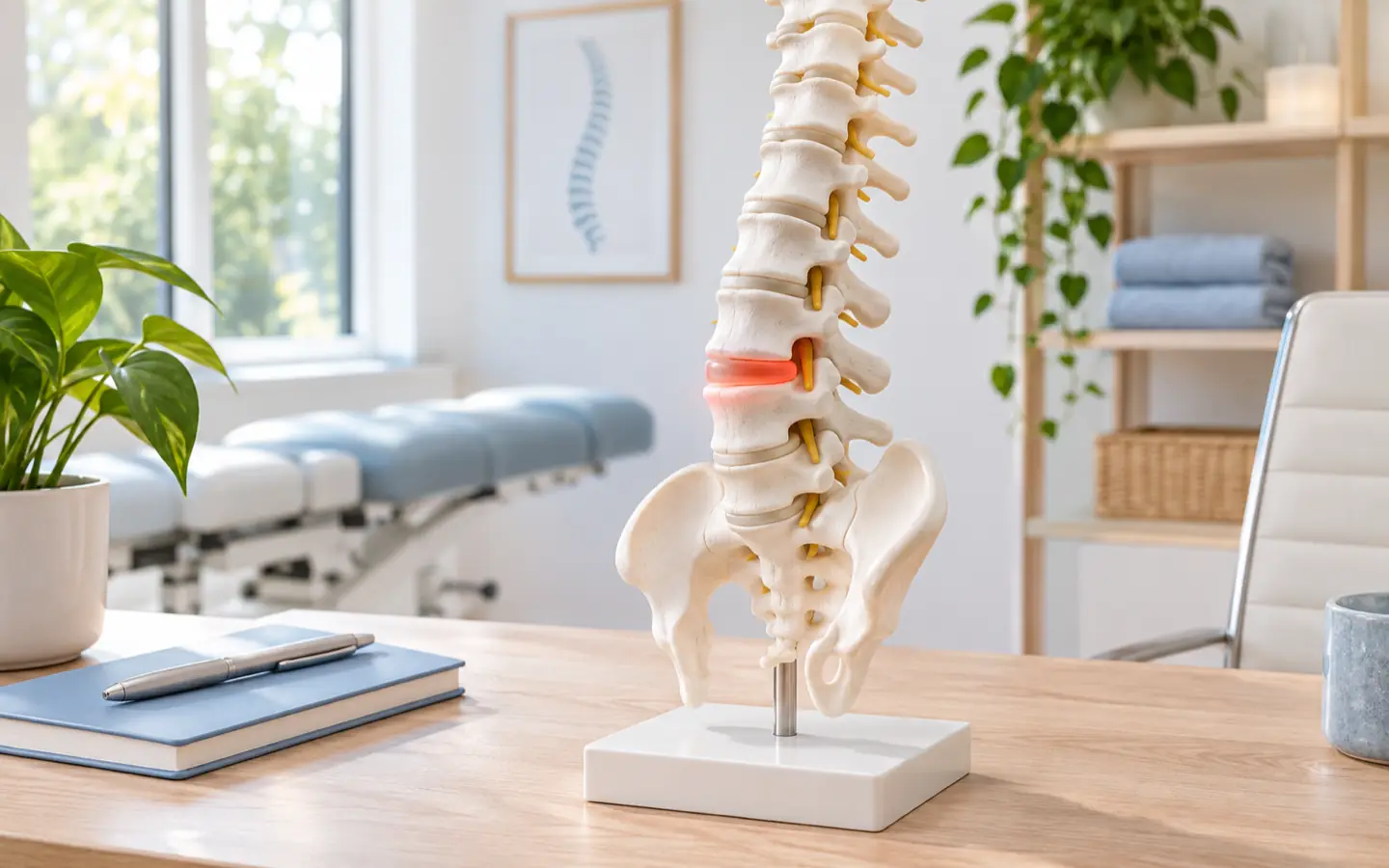
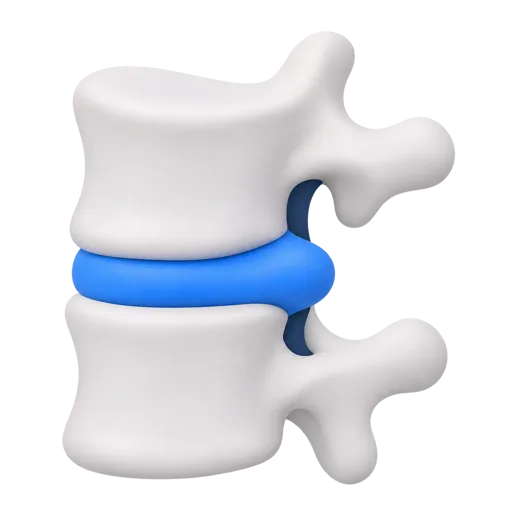
Your spine is made of bones called vertebrae. Between most vertebrae sits a spinal disc. A disc is a round pad with a tough outer ring and a gel-like center. Discs help your spine bend, twist, and absorb everyday shock.
Over time, discs can lose water and become less flexible. Small cracks or flattening can happen with age. That is a normal change for many adults. It does not always cause pain.
Bulging disc vs herniated disc
These terms describe two common disc changes.
A bulging disc means the outer ring extends beyond its usual border. You can think of it like a hamburger patty that is a little wider than the bun. The inner gel stays inside the outer wall.
A herniated disc means the inner gel pushes through a crack in the outer ring. Some people call it a slipped disc or a ruptured disc. The disc does not actually slip out of place. The gel has moved outside its normal space.
Both a bulging disc and a herniated disc can press on a nearby nerve. Both can also happen without any symptoms. The label matters less than the location and whether a nerve is involved.
Common symptoms
Symptoms depend on where the disc is and whether it touches a nerve.
In the low back, you may feel:
- pain in the low back, buttock, hip, or leg
- burning, shooting, or sharp pain down one leg
- numbness or tingling in the leg or foot
- weakness in the leg or foot
In the neck, you may feel:
- pain in the neck, shoulder blade, or arm
- numbness or tingling in the arm or hand
- weakness in the arm or hand
Pain may get worse with sitting, bending, twisting, coughing, or sneezing. Some people have no pain at all. Others have pain that comes and goes.
When to get help right away
Some symptoms need urgent medical care, not an adjustment. Call 911 or go to an emergency room if you have any of these:
- loss of bladder or bowel control
- numbness in the saddle area (the parts of your body that would touch a saddle)
- leg weakness or numbness that is getting worse
- stroke-like signs, such as a sudden severe headache, trouble speaking, face drooping, or weakness on one side, especially after a neck injury or neck manipulation
See a doctor first, before chiropractic care, if you have:
- back pain with a fever
- back pain after a fall or crash
- a history of cancer or osteoporosis with new back pain
- unexplained weight loss with back pain
A stroke after neck manipulation is rare but serious. If you notice any stroke-like sign, call 911 right away. This guide is general education only. It is not medical advice. Ask your chiropractor or doctor about your own situation.
How a chiropractor evaluates you
A chiropractor is a Doctor of Chiropractic (DC), not a medical doctor. At a first visit for disc-related symptoms, they usually ask about your health history and what you feel. They may ask what positions or activities make symptoms better or worse.
The exam may include:
- watching how you stand, walk, and bend
- moving your spine and arms or legs through comfortable ranges
- checking muscle strength, reflexes, and skin sensation
- reviewing any imaging reports you bring, such as an MRI
Many people do not need imaging before the first visit. If your symptoms suggest a serious nerve problem, the chiropractor should refer you to a medical doctor or emergency care.
Questions to ask your chiropractor
Before any care, ask questions like these:

Do my symptoms fit a bulging or herniated disc, or could something else be going on?
Do I need imaging or a medical doctor exam first?
What parts of my spine would you adjust, if any?
Which techniques do you use for disc-related symptoms?
What should I avoid while I have symptoms?
How will we know if care is helping?
What are the risks, and what signs should make me stop and call you?
What will this cost, and how does my insurance apply?
You can say no to any test or treatment. It is your body and your care plan.
What chiropractic care may include
Chiropractic care for disc-related symptoms is not a quick solution. A chiropractor cannot promise to push a disc back into place or to change the disc itself. Care may be one part of a plan to help manage symptoms.
Possible parts of a care plan include:
- Spinal adjustments. A chiropractor uses a controlled force with hands or a tool on a joint. For disc-related symptoms, the goal is often to help nearby joints move better, not to force the disc back.
- Gentle stretches and traction. Some chiropractors use a table or device to change position or take load off the spine for a short time. Some people feel relief. Some do not.
- Home guidance. Your chiropractor may show you gentle movements, posture tips, and positions to avoid.
- Heat, ice, or soft tissue work. These may help with short-term comfort. They do not change the disc itself.
Ask what is being done and why. If something feels unsafe or too painful, speak up. You can stop at any time.
What you can do at home
Small habits can help you manage daily symptoms. Try these only if they feel okay for you.
- Change positions often. Avoid sitting or standing too long.
- Take short walks if your doctor or chiropractor says walking is okay.
- Avoid heavy lifting, deep twisting, and moves that cause shooting pain.
- Use ice or heat only as your provider suggests.
- Keep a simple symptom log. Write down what makes pain better or worse.
- Take pain medicine only as directed by a doctor or pharmacist.
Do not push through sharp, spreading, or sudden pain. That is not part of care.
How chiropractic care fits with other options
Chiropractic care does not replace all other care. Some people also work with a primary care doctor, physical therapist, or pain medicine provider. Getting more than one opinion is okay. Surgery is rarely the first step for a disc issue, but some people may need it. Your medical doctor can help you understand that decision.
If you have severe weakness, foot drop, or symptoms that quickly get worse, see a doctor first. A chiropractor should also know about those changes.
Finding a chiropractor
Chiropractor Navigator lets you search chiropractors by insurance, technique, and location. That can help you narrow the list before you call.
When you call an office, ask:
- Do you take my specific plan?
- Do I need a referral for chiropractic care?
- What is the cost for a first visit if I use insurance?
- Will you review my MRI report if I bring it?
- What should I bring to the first visit?
Bring any imaging reports, a list of medicines, and your insurance card. Write down your top questions so you do not forget them. Choose a chiropractor who listens, explains things clearly, and respects your questions.
Sources
What is the difference between a bulging disc and a herniated disc?
A bulging disc means the outer ring pushes out but the inner gel stays inside. A herniated disc means the inner gel pushes through a crack in the outer ring. Both can press on a nerve, but both can also cause no symptoms.
Can a chiropractor make a herniated disc go away?
No provider can promise that a disc will go back to a previous shape or that symptoms will stop. Chiropractic care may help some people manage pain, stiffness, and movement issues. Ask what is realistic for your case.
Do I need an MRI before seeing a chiropractor for a disc issue?
Not always. Many chiropractors can do a first exam without imaging. If you have red flags, worsening weakness, or signs of a serious nerve problem, see a doctor or get emergency care first.
Is chiropractic care safe for a herniated disc?
Many people receive chiropractic care for disc-related symptoms, but all care has risks. A chiropractor should explain the plan, ask about red flags, and tell you what signs mean stop and get medical help.
When should I go to the emergency room for a disc problem?
Call 911 for loss of bladder or bowel control, saddle-area numbness, leg weakness that is getting worse, or stroke-like signs. See a doctor first for fever with back pain, back pain after a fall or crash, a cancer or osteoporosis history with new back pain, or unexplained weight loss.
Share this page
Related

 What to know about sciatica and chiropractic careSciatica is a set of symptoms, not a disease. A chiropractor may check your spine and movement and suggest a care plan, but some warning signs need a doctor or emergency care first.

 What to know about low back pain and chiropractic careLow back pain is very common and often gets better with time, movement, and simple home care. A chiropractor may offer spinal adjustments, exercise guidance, and other hands-on care as one part of a plan you discuss with your doctor.

 Red-flag symptoms: when to see a doctor or call 911Some symptoms need a doctor or emergency care before any chiropractic visit. Red flags include loss of bladder or bowel control, saddle numbness, worsening leg weakness, and stroke-like signs.
Find a chiropractor
Find disc care by insurance