
What to know about whiplash after a car crash
Share this page
Whiplash is a neck injury from a sudden back-and-forth motion, often after a rear-end crash. A chiropractor can check how your neck moves, suggest ways to ease stiffness, and document care for your auto claim.
- 294 auto injury offices listed
- in 37 states
8 min readPublished November 21, 2026Updated November 24, 2026
AI-assisted. AI disclosureEditorial policy










What is whiplash?
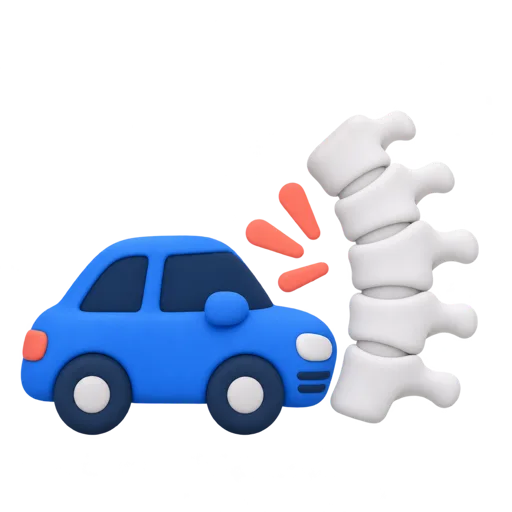
Whiplash is a neck injury from a sudden back-and-forth motion. It often happens in a rear-end car crash. The head snaps forward and back faster than the neck can control.
The force can strain muscles, ligaments, and other soft tissue in the neck. It can also affect the upper back and shoulders. Some people call this a neck sprain or strain.
The term whiplash is not a medical diagnosis by itself. It describes how the injury happened. A doctor or chiropractor will check which tissues are affected before suggesting care.
Common whiplash symptoms
Symptoms can vary. Some people notice them right away. Others feel them hours or days later.
Common symptoms include:
- Neck pain or stiffness.
- A headache that starts at the base of the skull.
- Shoulder or upper back pain.
- Trouble turning or tilting your head.
- Tenderness in the neck or shoulders.
- Feeling tired or foggy.
- Dizziness or ringing in the ears in some cases.
These symptoms can be mild or more intense. They do not mean your neck is permanently damaged. But they are a sign to slow down and get checked.
When symptoms show up
After a crash, your body releases adrenaline. You may feel fine at the scene. Pain and stiffness often peak a day or two later.
That is normal. It does not mean you waited too long to get care. But it helps to write down your symptoms each day. Note what makes them better or worse. That record can help your clinician and your insurance claim.
Red flags: when to get medical help now
Call 911 or go to an emergency room if you have any of these signs after a crash:
- Loss of bladder or bowel control.
- Numbness in the saddle area, which is the area that would touch a bike seat.
- Leg weakness or numbness that is getting worse.
- Stroke-like signs such as a sudden severe headache, trouble speaking, face drooping, or weakness on one side. These can be rare but serious after a neck injury or neck manipulation.
Also see a doctor before chiropractic care if you have:
- A fever with back pain.
- Back pain after a fall or crash that is new or severe.
- A history of cancer or osteoporosis with new back pain.
- Unexplained weight loss.
These signs need a medical check first. Do not go to a chiropractor for an adjustment before a doctor clears you.
How a chiropractor may help with whiplash
A chiropractor is a Doctor of Chiropractic (DC). Chiropractors are trained to assess joints, muscles, and how the body moves. Many people see a chiropractor after a car crash to help manage neck and back symptoms.
A chiropractor may:
- Ask about the crash and your current symptoms.
- Check your neck, shoulders, and upper back for tender areas and limited motion.
- Test strength, reflexes, and nerve function.
- Suggest x-rays or other imaging if there are signs of a more serious injury.
- Offer spinal adjustments, soft tissue work, and simple exercises.
A spinal adjustment is a quick, controlled movement applied to a spinal joint. The goal is to help joints move better. Some people feel less stiffness after an adjustment. Results vary from person to person.
Chiropractors cannot promise a specific outcome for whiplash. The goal is to support your body's own recovery while you avoid habits that add strain.
What to expect at a first visit
Your first visit should be about listening and checking. You can expect the chiropractor to:
You can stop or ask questions at any time. A good first visit should not feel rushed. Bring your insurance card, your auto claim number, and a list of any medicines you take.
You may feel a pop or click during an adjustment. That is gas moving in a joint. It is not a sign that bones are cracking. A spinal adjustment should not be painful. Tell your chiropractor right away if anything hurts.
- Ask what happened during the crash, where you felt the impact, and what symptoms you have now.
- Review your health history, including past neck injuries, headaches, or concussions.
- Look at how you sit, stand, and move your head and neck.
- Feel the muscles and joints in your neck and upper back.
- Explain what they think may be going on and what they suggest.
- Ask for your consent before any treatment.
Questions to ask before starting care
Ask these questions at your first visit or before you commit to a care plan:

What do you think is causing my symptoms?
What treatments do you recommend and why?
How will we know if the care is helping?
Are there exercises I can do at home?
What should I avoid while I recover?
What are the risks of the proposed care?
How will you document this for my auto insurance?
Write down the answers. If the plan is long or expensive, you can get a second opinion. Your chiropractor should be willing to explain the plan in plain words.
Will auto insurance help pay for whiplash care?
After a crash, your auto insurance may have benefits that apply to medical care. These benefits can vary by state and by policy. The most common types are personal injury protection, often called PIP, and medical payments coverage, often called MedPay.
Call your auto insurer and ask:
- Do I have medical payments coverage, PIP, or both?
- What is the process for billing a chiropractor?
- Do I need a referral or preapproval?
- What documentation do you need from the provider?
A chiropractor's office can usually give you an itemized statement for your claim. Bring your claim number to your visit. The office may also bill the insurer directly, but check with them first.
If the crash was not your fault, the other driver's insurance may have a role. Ask your own insurer or a legal advisor about your options. Chiropractor Navigator has a guide on chiropractic care after an auto accident and PIP. It explains coverage steps in more detail.
Keep a folder with visit notes, receipts, and any claim forms. Good records can make a claim easier. Your chiropractor can help you understand what your insurer may need.
 Blue Cross Blue Shield
 UnitedHealthcare
 Aetna
 Cigna
 Humana
 Kaiser Permanente
 Medicare
 Medicare Advantage
 Medicaid
 TRICARE
 American Specialty Health
 Optum
 Auto accident / PIP
 Workers' compensation
 VA Community Care
 Self-pay / HSA-FSA
Logos identify plans. No affiliation or endorsement is implied.
What can make whiplash symptoms feel worse
Some habits can add strain to an already sore neck. Common ones include:
- Sitting or standing in one position too long.
- Looking down at a phone for long periods.
- Carrying heavy bags on one shoulder.
- Twisting quickly or jerking your head.
- Returning to heavy exercise too soon.
This does not mean you should stay in bed. Gentle, daily movement often feels better than total rest. But ask your chiropractor or doctor what amount and type of movement is right for you.
Home comfort tips between visits
Ask your provider first, because everyone's situation is different. If they approve, these simple steps may help you feel more comfortable:
- Use an ice pack for the first day or two after the crash if swelling is present.
- Switch to heat after the first day or two if your provider says it is okay.
- Keep your neck in a neutral position when you sleep. A supportive pillow may help.
- Take short walks to keep blood flowing. Do not force range of motion that hurts.
- Set a timer to avoid staying in one posture for more than 30 to 45 minutes.
These are general comfort ideas, not medical advice. Your provider may give you specific stretches or exercises for your stage of recovery.
When you may need imaging
Not every whiplash injury needs x-rays. A chiropractor may recommend x-rays if:
- You have severe pain or can't move your neck at all.
- You have signs of a fracture, such as pain after a high-speed crash.
- You have numbness, tingling, or weakness in your arms or hands.
- You are older or have a history of osteoporosis.
X-rays can show bones, but they do not show soft tissue injuries like stretched ligaments. An MRI may be ordered by a doctor if nerve symptoms do not improve. A chiropractor can refer you for imaging if needed.
How long will recovery take?
There is no set timeline. Many people feel a lot better within a few weeks. Others have symptoms that last longer. Recovery depends on the force of the crash, your overall health, and how your body responds to care.
Do not compare yourself to someone else. Focus on small improvements week to week. Keep notes on your pain, sleep, and how far you can turn your head. Share those notes with your chiropractor. If you are not seeing any progress after a few weeks, ask about changing the plan or seeing a doctor.
How to find a chiropractor after a car crash
Look for a chiropractor who listens, explains things clearly, and has experience with auto injury care. You can ask:
- Do you commonly work with people after car crashes?
- Will you document my symptoms and visit notes for my insurance?
- Do you work with my auto insurance or provide itemized receipts?
Chiropractor Navigator is a free directory. You can search chiropractors by insurance, technique, and location. That can help you find a provider who is likely to understand whiplash care and what your insurer may need.
Take your time. A calm, clear plan is better than a rushed commitment. If a provider pushes a very long package before seeing how you respond, get a second opinion. You are in charge of your own care choices.
This guide is general education only. It is not medical advice. Ask your chiropractor or doctor about your own situation.
Sources
How soon after a car crash should I see a chiropractor?
See a doctor or urgent care first if you have red flag signs. If your symptoms are mild, you can call a chiropractor whenever you feel ready, though there is no set rule. A check soon after can help you understand what is going on.
Can chiropractic care treat whiplash?
Chiropractors cannot treat whiplash as a disease or promise a specific outcome. They may help manage neck pain, stiffness, and limited movement after a crash. The goal is to support your body's own recovery.
Will I need x-rays after a whiplash injury?
Not always. A chiropractor may suggest x-rays if there are signs of fracture, severe pain, numbness, or other concern. X-rays do not show stretched ligaments, so they are not always needed.
What should I bring to my first chiropractor visit after a crash?
Bring your insurance card, auto claim number, a list of medicines, and any doctor or urgent care notes from after the crash. Also bring a simple timeline of what happened and your symptoms.
Can I use ice and heat for whiplash at home?
Ask your provider first. A common approach is ice for the first day or two, then heat if it feels good and your provider approves. Use a cloth between the pack and skin, and do not use heat while sleeping.
Share this page
Related

 Chiropractic care after an auto accident and PIPAfter a car crash, chiropractic care may be covered through your own auto insurance, such as personal injury protection (PIP) or medical payments (MedPay). Start with a prompt medical check, keep clear records, and confirm your coverage and any prior authorization before treatment.

 Neck Pain and Chiropractic Care: What to KnowNeck pain has many causes, and chiropractic care is one option some people consider. This guide covers what a chiropractor may do, safety signs to watch for, and how to find a chiropractor who takes your insurance.

 Red-flag symptoms: when to see a doctor or call 911Some symptoms need a doctor or emergency care before any chiropractic visit. Red flags include loss of bladder or bowel control, saddle numbness, worsening leg weakness, and stroke-like signs.
Find a chiropractor
Search by insurance