
What to know about carpal tunnel and chiropractic care
Share this page
Chiropractic care may help some people manage wrist, hand, and arm discomfort related to carpal tunnel syndrome. It is not a replacement for medical evaluation, and you should see a doctor first for numbness, weakness, or pain that is getting worse.
- 60,432 chiropractic offices listed
- in 51 states
6 min readPublished November 21, 2026Updated November 24, 2026
AI-assisted. AI disclosureEditorial policy


Find Chiropractic care near you












What is carpal tunnel syndrome?
Carpal tunnel syndrome is a condition that affects the wrist and hand. The carpal tunnel is a narrow passage in the wrist. The median nerve and tendons pass through it. When there is too much pressure on the median nerve, you may feel tingling, numbness, or weakness. Common symptoms show up in the thumb, index finger, middle finger, and part of the ring finger. They often feel worse at night or after repetitive hand work.
A doctor can confirm carpal tunnel syndrome with an exam and sometimes nerve tests. A chiropractor may notice movement problems in the wrist, arm, or neck, but a medical diagnosis is the first step if you are not sure what is causing your symptoms. This guide is general information, not medical advice.
Why wrist pain is not always carpal tunnel
Wrist, hand, and arm symptoms can come from many things. These may include neck joint problems, tendon issues, arthritis, or nerve pressure at the elbow or shoulder. That is one reason a doctor visit can help. If a chiropractor checks your wrist but your discomfort comes from your neck or shoulder, the plan may be different. A careful history and exam can help guide next steps.
How chiropractic care may fit in
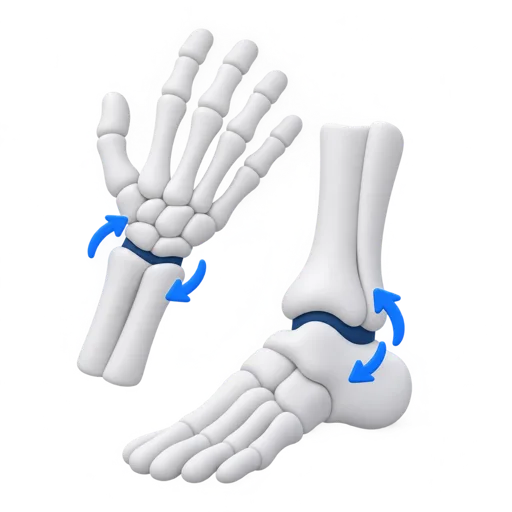
Chiropractors focus on how joints and soft tissues move. Some chiropractors see people with hand, wrist, arm, and neck discomfort. They may check your wrist, elbow, shoulder, and neck for movement issues. Then they may use controlled pressure on a joint. When done on the spine, this is often called a spinal adjustment. When done on an arm or wrist, it is often called an extremity adjustment. They may also use soft tissue work, show exercises, and talk about daily habits such as desk setup and grip.
Chiropractic care cannot promise results or make carpal tunnel syndrome go away. Some people say they feel less tension or discomfort after care. Some do not notice a change. Ask your chiropractor what they think may help and what is not likely to help. Also ask your doctor whether chiropractic care fits your overall plan.
What a chiropractor may check
- How your wrist, thumb, and fingers move
- Grip strength and areas of tenderness
- How your elbow, shoulder, and neck move
- Work habits, sleep positions, and hand-heavy hobbies
- Whether your symptoms match a pattern that should be checked by a doctor first
What an office visit may look like
At a first visit, the chiropractor will ask about your symptoms, medical history, and daily activities. They may watch you move your hand and arm. They may press on the wrist or test your grip and sensation. If your description or exam points to a medical issue that needs urgent care, a responsible chiropractor will tell you to see a doctor.
You may get an adjustment on the same day, or you may be asked to return after further review. Ask what will happen before any adjustment. You can say no to anything you do not understand or want.
Questions to ask before starting care
- What do you think is causing my hand and wrist symptoms?
- What techniques do you use for arm and wrist concerns?
- Have you worked with people who had carpal tunnel syndrome before?
- Will you coordinate with my doctor or physical therapist?
- What can I do at home between visits?
- How will we know if the care is helping?
- What should I do if my symptoms get worse?
These questions help you decide if the chiropractor is a good fit. You do not need to accept a long treatment plan on the first visit. You can take the plan home and think about it.
What you can do at home
Small daily changes may reduce pressure on your wrist. Talk with your chiropractor or doctor before trying new exercises or devices.
- Keep your wrist in a neutral position when typing or using tools.
- Take short breaks from repetitive hand tasks.
- Adjust your chair and keyboard height so your wrists are not bent up or down.
- Use a lighter grip on tools, pens, and phone.
- Avoid sleeping with your wrist fully bent under your pillow.
Ask your chiropractor to show you gentle stretches or movements for your wrist and forearm. Do them only as directed. If a movement causes sharp pain or numbness, stop and tell your provider.
When to see a doctor first
Do not wait for chiropractic care if you have certain warning signs. Call 911 or go to an emergency room if you have any of these:

Loss of bladder or bowel control or numbness in the saddle area

Leg weakness or numbness that is getting worse
Stroke-like signs such as a sudden severe headache, trouble speaking, face drooping, or weakness on one side, especially after a neck injury or neck manipulation
Also see a doctor before starting chiropractic care if you have:
Hand or arm weakness that is getting worse
Pain after a fall, crash, or injury to the wrist or hand
Fever, redness, swelling, or warmth near the wrist
New numbness in both hands or feet
Unexplained weight loss
These red flags do not all point to carpal tunnel, but they need medical attention. A chiropractor can help with joint movement, but they are not an emergency room or a replacement for a doctor when symptoms could be serious.
What to tell your chiropractor
Before your first visit, write down:
- When symptoms started
- Which fingers feel numb or tingly
- What makes symptoms better or worse
- Any prior wrist, arm, or neck injuries
- Health conditions such as diabetes, thyroid disease, or pregnancy
- Medicines or supplements you take
This list helps the chiropractor know whether to adjust or refer.
What is a nerve conduction study?
If symptoms are not clear, a doctor may order a nerve conduction study. This test measures how fast signals travel through the median nerve. It can help confirm carpal tunnel syndrome or rule out other nerve issues. Ask your doctor if this test is right for you. A chiropractor may suggest you ask your doctor about it.
What to expect over time
Chiropractic care plans can vary. Some people try a few visits, then decide with their chiropractor whether to continue. Others combine chiropractic visits with physical therapy or changes to their workstation. Ask for a clear plan: what will happen each visit, how many visits are suggested, and how you will decide if care is helping. You should be able to pause or stop if you do not feel a benefit or if your symptoms change.
Signs of a plan you can understand
- The goal is stated in plain words.
- You can ask questions without pressure.
- The chiropractor suggests less care if symptoms improve.
- The chiropractor refers you to a doctor if red flags appear.
- You get home advice, not just in-office visits.
Chiropractic training and limits
Chiropractors complete a Doctor of Chiropractic (DC) degree after college. They are trained in musculoskeletal assessment and joint adjustment. They are not medical doctors. They cannot prescribe medication or perform surgery. They may be a helpful part of your care team along with your primary care provider or a physical therapist.
How to find a chiropractor
Start by checking your insurance plan or calling the chiropractor's office to confirm they take your plan. You can use Chiropractor Navigator to search chiropractors by insurance and location. When you call, ask if the chiropractor sees people with hand and wrist concerns and whether they coordinate with your doctor.
You can also check a chiropractor's license with your state's chiropractic board. Bring a list of your symptoms, your questions, and any test results from your doctor to your first visit. That makes it easier to talk about what may or may not help.
Sources
Can chiropractic care help carpal tunnel syndrome?
Some people choose chiropractic care to help manage wrist, hand, or arm discomfort related to carpal tunnel syndrome. Results vary, and chiropractic care is not a replacement for a medical evaluation. Ask your chiropractor and doctor what may be right for you.
What techniques might a chiropractor use for carpal tunnel symptoms?
A chiropractor may assess joints in the wrist, hand, elbow, shoulder, or neck. They may use controlled joint adjustments, soft tissue work, or show you exercises and desk setup changes. Ask what they plan to do and why.
Do I need a referral to see a chiropractor for wrist symptoms?
It depends on your insurance plan and state rules. Some plans let you see a chiropractor without a referral, while others may require one. Check your plan or call the office to ask.
When should I skip chiropractic care and see a doctor first?
See a doctor first if you have hand or arm weakness that is getting worse, pain after an injury, fever or swelling near the wrist, or new numbness in both hands or feet. Also call 911 for stroke signs or loss of bladder or bowel control.
How do I find a chiropractor who takes my insurance?
You can use Chiropractor Navigator to search chiropractors by insurance and location. Then call the office to confirm they are in network for your plan and ask about their experience with hand and wrist concerns.
Share this page
Related

 What to expect at your first chiropractic visitA first chiropractic visit usually includes a health history, a physical exam, and a clear plan discussion. You may receive a spinal adjustment that day if you and the chiropractor agree it is appropriate.

 Questions to ask a new chiropractorAsk a new chiropractor about your specific symptoms, their experience with those symptoms, what care may look like, and costs. This guide gives you a simple list of questions to bring to your first phone call or visit.

 How to find a chiropractor near youFinding the right chiropractor starts with your health needs, insurance, and location. Use this guide to build a short list, check licenses, ask clear questions, and know the red flags that mean see a doctor first.