
Pediatric chiropractors for kids
Last updated November 24, 2026
Chiropractor Navigator is a free directory to find a chiropractor who sees children. Search by location, insurance, and technique, then call the office to check your child's plan and ask questions.
- 4,548 pediatric offices listed
- in 50 states

Find Pediatric chiropractors for kids near you












What pediatric chiropractic care looks like
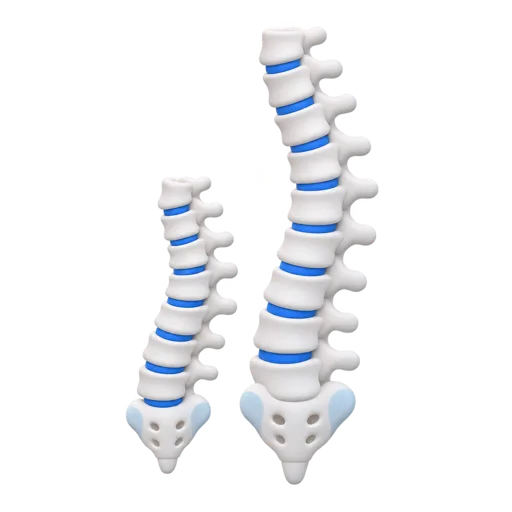
Chiropractic care focuses on the spine, joints, and how the body moves. A chiropractor may use their hands or a small tool to apply a controlled force to a joint. This is called a spinal adjustment.
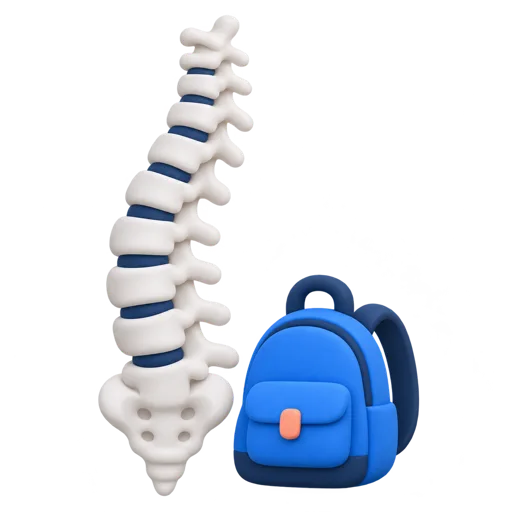
With children, care is often adjusted to the child's size and age. The pressure is usually lighter and the visit may be shorter. A chiropractor may also show stretches, posture tips, or ways to set up a backpack or desk.
A subluxation is a chiropractor's term for a spinal joint that is not moving well. Chiropractors use this word to describe where they focus their care. It is not a medical diagnosis on its own.
Chiropractic is not a substitute for regular pediatric checkups. It does not replace medication or care from your child's doctor. No chiropractor should claim that care can prevent or treat a disease.
When to check with a doctor first
Talk with a medical doctor before starting chiropractic care if your child has any of these red flags:
- Fever with back pain
- Back pain after a fall or car crash
- A history of cancer or osteoporosis with new back pain
- Unexplained weight loss with back pain
Call 911 or go to the emergency room now for:
- New loss of bladder or bowel control, or numbness in the saddle area between the legs
- Leg weakness or numbness that is getting worse
- A sudden severe headache, trouble speaking, face drooping, or weakness on one side of the body
These signs can point to a serious problem that needs a doctor first. Do not wait for a chiropractic visit.
What to expect at a first visit
At a first visit, the chiropractor will usually ask about your child's health history. They may ask about birth, injuries, sports, sleep, and daily habits.
They will do a physical exam. This may include looking at posture, range of motion, and how the spine and joints move. In some cases they may refer your child to a medical doctor if something does not look right.
Before any care, the chiropractor should explain what they plan to do and why. You can ask questions or stop the visit at any time. Many parents stay in the room with younger children.
After the exam, the chiropractor may recommend a plan. That plan should be based on your child's needs and your goals. You are never required to start care that day.
How chiropractors are trained and licensed
A chiropractor is a Doctor of Chiropractic (DC). They finish a graduate-level program after college. Then they must pass national board exams and hold a state license.
A chiropractor is not a medical doctor. They do not attend medical school. Their focus is on the spine, joints, and musculoskeletal system.
On Chiropractor Navigator, a 'License verified' tag appears only when a state chiropractic board record matches. Each fact shows its source and the date it was checked. A practice can claim its free listing and correct or add facts. Those facts show 'Confirmed by the practice' with a date.
We show a credential, specialty, or board certification only from a verified record, never as a general claim.
Questions to ask before the first visit
Ask these before you book:

Do you see children my child's age?
What training or experience do you have with children?
What will the first visit include?
How will you decide if care is right for my child?
What should I do if my child feels worse after a visit?
How do you handle red flag symptoms such as fever, numbness, or sudden weakness?
Will you send a report to my child's doctor if needed?
Take notes. A good office will welcome your questions.
Insurance and payment in plain words
Every plan is different. A name on a practice website is not proof that your plan will pay.
Call the office and ask them to check your benefits. Give them the plan name on your card and the network name if there is one. Ask if the chiropractor is in network for your plan. Ask about any prior approval, visit limits, or referral rules.
Many chiropractors also offer self-pay visits, in-office membership plans, or wellness plans. Chiropractic care for a medical reason may be a qualifying medical expense for an HSA or FSA. Care for general wellness or maintenance may not qualify. Ask the office for cash prices and a written good-faith estimate before care.
No one at Chiropractor Navigator can tell you what your insurance will cover. Always check your plan documents and ask the office.
 Blue Cross Blue Shield
 UnitedHealthcare
 Aetna
 Cigna
 Humana
 Kaiser Permanente
 Medicare
 Medicare Advantage
 Medicaid
 TRICARE
 American Specialty Health
 Optum
 Auto accident / PIP
 Workers' compensation
 VA Community Care
 Self-pay / HSA-FSA
Logos identify plans. No affiliation or endorsement is implied.
How to find a pediatric chiropractor near you
Chiropractor Navigator is a free directory. You do not need an account to search.
Here is how to find a pediatric chiropractor near you:

Type your city or ZIP, or tap 'Use my location'.

Use the need filter and choose pediatric.

Use the insurance or technique filters to see offices that match.
Read each profile. Check the source and date on each fact.
Call the office to confirm they see children and take your insurance.
Results are sorted by distance by default. Payment never changes the order of organic results. If a placement is paid in the future, it will be clearly labeled 'Sponsored'.



Questions
What age does a child need to be to see a chiropractor?
Chiropractors may see infants, children, and teens. Each practice sets its own age policy. Call the office and ask before you book.
Does my child need a referral?
Most of the time no, but some insurance plans ask for a referral or prior approval. Check your plan and ask the office.
Will insurance pay for chiropractic care for my child?
It depends on the plan. A name on a practice website is not proof of coverage. Ask the office to check your benefits before the first visit.
Is chiropractic care safe for kids?
No care is risk-free. Chiropractic care for children is usually gentle, but rare side effects can happen. Share your child's full health history. If your child has neck pain after an injury or signs like a sudden severe headache, trouble speaking, face drooping, or weakness on one side, call 911 or go to the emergency room.
What is a subluxation?
A subluxation is a chiropractor's term for a spinal joint that is not moving well. Chiropractors use the word to describe where they focus care. This term is not a medical diagnosis on its own.
How does Chiropractor Navigator choose which chiropractors to show?
We list chiropractors and chiropractic organizations with an active NPI and a chiropractic taxonomy from the federal NPPES registry. We sort by distance by default. Payment never changes organic results.
Related

 Chiropractors (General Care)Learn what general chiropractic care looks like, what to ask, what to expect at a first visit, and how to find a chiropractor near you.

 Chiropractors for back painFind chiropractors for back pain near you. Learn what chiropractic care involves, when to get checked, and what to ask before your first visit.

 Chiropractors for neck painFind chiropractors for neck pain near you. Learn what to expect, red flags to check first, and questions to ask. Free directory from Chiropractor Navigator.

 Chiropractors for sciatica and leg painFind chiropractors for sciatica and leg pain. See what to expect, what to ask, and how to search by location, insurance, and need. Free directory.

 Chiropractors for headaches and migrainesLearn what chiropractic care for headaches and migraines looks like, what to ask, and how to find a chiropractor near you. Free search, no account.

 Chiropractors for Auto Accident InjuryFind chiropractors who see people after auto accidents. Learn what to expect, questions to ask, insurance basics, and how to search by location.