
Chiropractic care and specialties explained
Last updated November 24, 2026
Most people can start with a general chiropractor. Specialty training can help for certain needs, but it is not required. This page explains the main specialty areas so you can ask better questions.
- 61,292 offices listed
- in 51 states

- Chiropractors (General Care)Learn what general chiropractic care looks like, what to ask, what to expect at a first visit, and how to find a chiropractor near you.

 Chiropractors for back pain67 officesFind chiropractors for back pain near you. Learn what chiropractic care involves, when to get checked, and what to ask before your first visit.

 Chiropractors for neck pain35 officesFind chiropractors for neck pain near you. Learn what to expect, red flags to check first, and questions to ask. Free directory from Chiropractor Navigator.

 Chiropractors for sciatica and leg pain4 officesFind chiropractors for sciatica and leg pain. See what to expect, what to ask, and how to search by location, insurance, and need. Free directory.

 Chiropractors for headaches and migraines12 officesLearn what chiropractic care for headaches and migraines looks like, what to ask, and how to find a chiropractor near you. Free search, no account.

 Chiropractors for Auto Accident Injury47 officesFind chiropractors who see people after auto accidents. Learn what to expect, questions to ask, insurance basics, and how to search by location.

 Chiropractors for sports injury1,042 officesFind chiropractors who see people with sports injuries. Learn what to expect, insurance basics, and how to search by location.

 Prenatal and Pregnancy ChiropractorsFind prenatal and pregnancy chiropractors. See what care may involve, what to ask, and how to search by location, insurance, and need.

 Pediatric chiropractors for kids4,539 officesFind a pediatric chiropractor near you. See what a first visit looks like, what to ask, and how insurance and payment work. Free directory.

 Chiropractors for Work Injury8 officesLearn how chiropractic care can support work injury recovery, what to ask, red flags to watch for, and how to find a chiropractor near you.
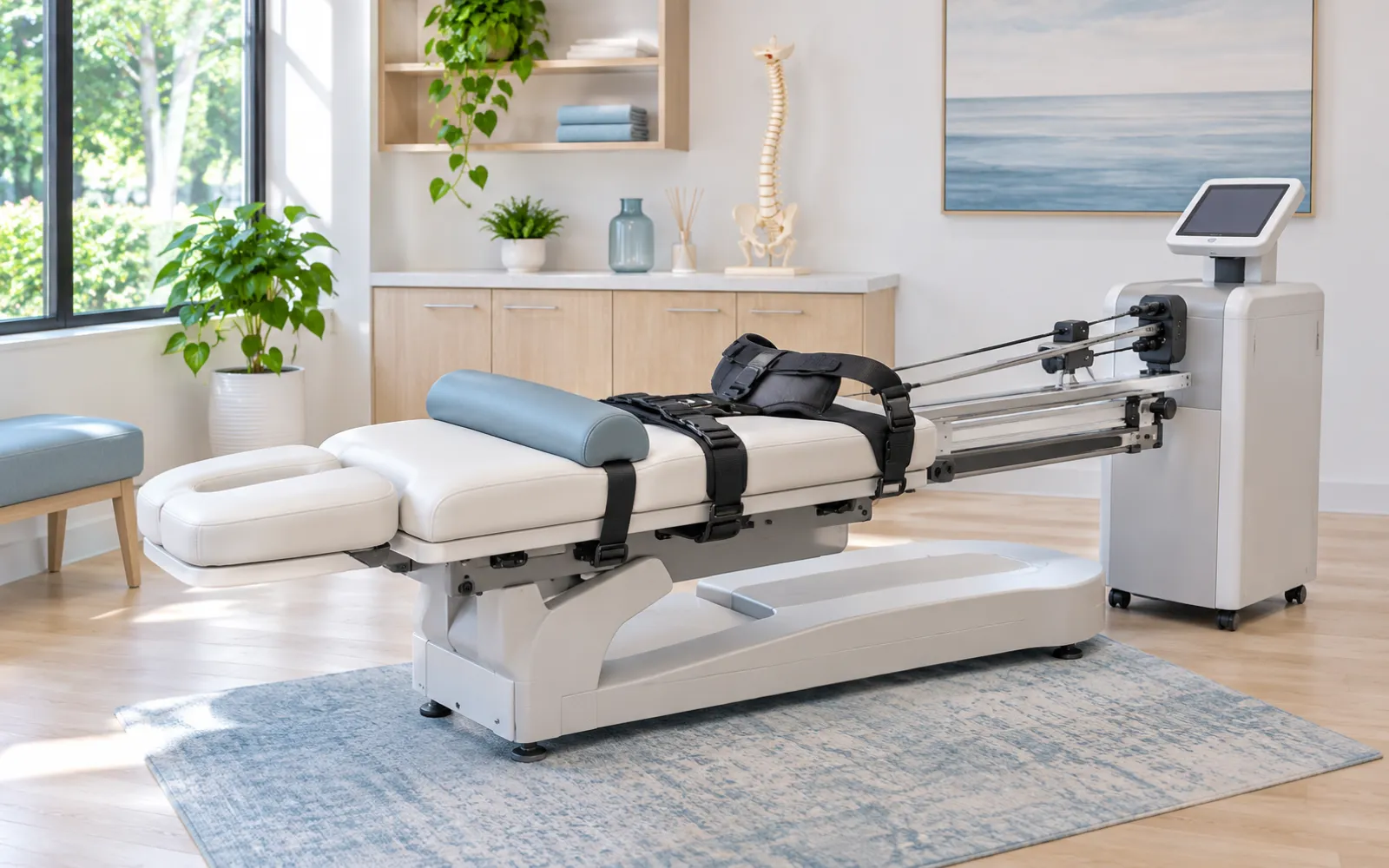
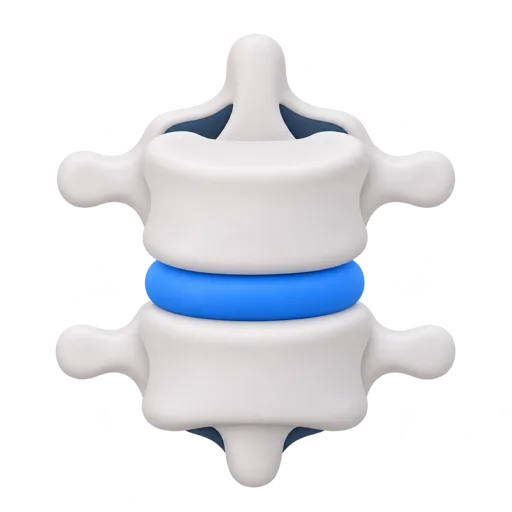 Chiropractors for Spinal Decompression45 officesFind a chiropractor near you for spinal decompression. Learn what to expect, questions to ask, and how to check your plan before a visit.

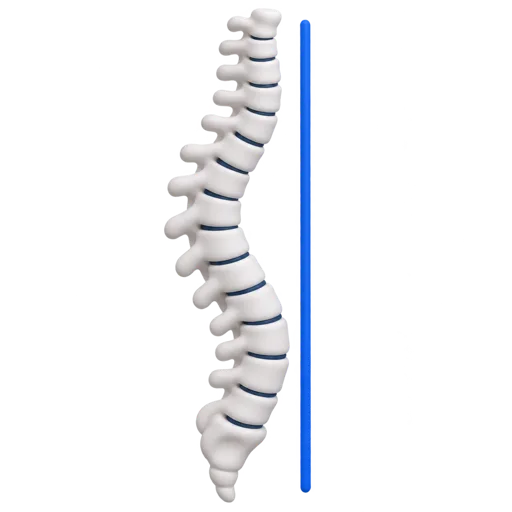 Chiropractors for scoliosis18 officesFind chiropractors who work with scoliosis. Learn what a first visit may include, what to ask, and how to check your plan before you go.

 Same-Day and Walk-In Chiropractors17 officesFind same-day and walk-in chiropractors near you. See what to expect, what to ask, and how to check insurance before you book.

 Chiropractors that take Medicaid and low-cost careFind chiropractors who list Medicaid or low-cost care. Learn what to expect, what to ask, and how to confirm your state's Medicaid rules before you go.
When to see a general chiropractor
A general chiropractor is the right first call for most people. Most chiropractors on Chiropractor Navigator are general providers. You do not need a specialty to receive care.
They do an exam, talk about your health history, and may use a spinal adjustment or other hands-on care. A spinal adjustment is a controlled movement of a spinal joint.
When you call, say what you feel and what you want help with. The office can tell you if the chiropractor is a good fit. Bring a list of any health conditions and medicines you take.
During the first visit, the chiropractor may ask you to move certain ways. They may feel your spine and check your range of motion. You can stop at any time and ask questions. If your needs are more specific, the chiropractor may suggest extra training or refer you to another provider.
Sports chiropractic
A sports chiropractor often works with people who are active. They may check how you move, give exercises, and use adjustments as part of a plan.
This is not a promise to improve sports performance or stop injuries. Board certification in sports chiropractic is extra training. We show it only when a verified record supports it.
If you train for a sport or lift weights, ask how they work with active people. They may watch you move, test your range of motion, or suggest exercises. Ask if they give home exercises or work with coaches or trainers.
No chiropractor can promise you will not get hurt. Care should fit your activity level and your goals. You can bring your training log or a list of your usual movements to the first visit.
Chiropractic neurology
Chiropractic neurology is extra training in how the brain and nerves work. A chiropractor with this training may do a longer exam of balance, eye movement, and reflexes.
That does not make them a medical doctor or a neurologist. They are still a chiropractor with extra training in a chiropractic specialty area.
You might ask about this training if you want a longer nervous system exam. The chiropractor may check how your eyes follow a moving object or how steady you are on one foot. These are simple checks, not a diagnosis.
If the chiropractor sees signs that need medical care, they may refer you to a medical doctor. Before you start, ask what the longer exam will include and why it helps your care plan.
Chiropractic radiology
Chiropractic radiology is extra training in reading images such as X-rays. A chiropractor with this training may look more closely at images as part of an exam.
This is not a promise that imaging is needed or that care will be different. Imaging is not always needed. Many people never get an X-ray.
A chiropractor with radiology training can read images, but that does not mean you need images. Ask why imaging would help before you agree. The chiropractor can explain what the image would show and how it would change your plan.
Never skip a medical doctor's advice about imaging. If you have had recent images, bring the report or the images on a disc if you can. That can save you from repeat tests.
Chiropractic orthopedics
Chiropractic orthopedics is extra training in bones, joints, muscles, and nerves. A chiropractor with this training may use more orthopedic tests during an exam.
Orthopedic tests are simple checks like moving a joint a certain way. They may help rule out problems that need a medical doctor's care. A chiropractor with this training may be more comfortable with joint and muscle exams.
Still, they are not an orthopedic surgeon or a medical doctor. Ask what the tests mean for your care. You may hear words like range of motion or joint stability. Ask for plain words if anything is unclear.
If a test causes pain, say so right away. The chiropractor can adjust the exam. The goal is to gather information, not to make pain worse.
Pediatric chiropractic
Pediatric chiropractic is extra training in caring for children. Children's bodies are still growing, so the approach may be lighter and shorter.
We do not claim chiropractic care treats any childhood condition. Talk with your child's doctor before starting care. Ask the chiropractor about their training and experience with kids.
Ask about the first visit. Some chiropractors let a parent stay in the room. Others ask for a signed consent. Children may not need the same number of visits as adults. The plan should be based on the child's exam and your questions.
Bring a list of your child's health history, allergies, and current medicines. If your child is nervous, talk about that first. The chiropractor can explain each step in simple words and let your child see the equipment.
Chiropractic rehabilitation
Chiropractic rehabilitation adds more exercise and movement work to a care plan. A chiropractor with this training may combine spinal adjustments with stretches, strengthening, or balance work.
This is not a promise to restore function or speed recovery. Ask what a rehab plan would look like for you. Rehab often includes home exercises.
Ask for written instructions or a video. Tell the chiropractor if an exercise hurts or feels wrong. Rehab is a team effort between you and the chiropractor.
A typical rehab plan may have a few simple moves you do at home. You may come back for progress checks. The chiropractor may change the plan as you get stronger. Your goal is to move better in daily life, not to win a contest.
Questions
How do I know if a chiropractor has a board certification?
On Chiropractor Navigator, we show a credential or board certification only when a verified record supports it. You can also ask the office for the exact name of the board certification and the certifying group. Then check with that group if you want.
Do I need a referral to see a chiropractor?
Many people can see a chiropractor without a referral. Some health plans ask for one. Check your plan and ask the office. The office can often tell you what your plan requires.
Which specialty should I consider for back pain?
Most back pain care starts with a general chiropractor. Extra training may help for certain cases, but it is not required. A chiropractor can tell you if extra training would help. If you have red-flag signs like fever with back pain, see a medical doctor first.
Are chiropractic specialties like medical specialties?
No. Chiropractic specialty areas mean extra training within chiropractic. They are not the same as medical specialties. A chiropractor is a Doctor of Chiropractic (DC), not a medical doctor.