
What to know about sciatica and chiropractic care
Share this page
Sciatica is a set of symptoms, not a disease. A chiropractor may check your spine and movement and suggest a care plan, but some warning signs need a doctor or emergency care first.
7 min readPublished November 21, 2026Updated November 24, 2026
AI-assisted. AI disclosureEditorial policy

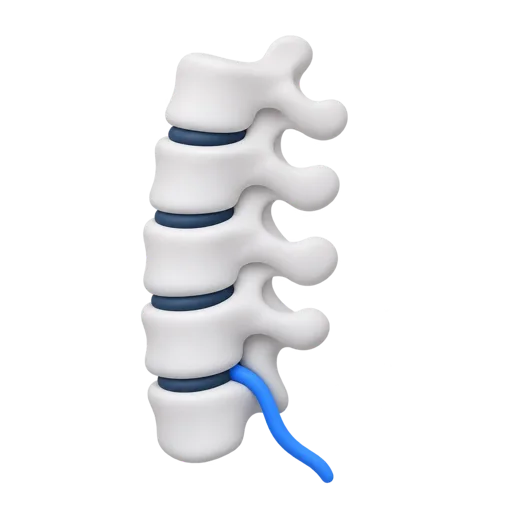
What sciatica means
Sciatica is a term for pain that travels along the sciatic nerve. The sciatic nerve runs from your low back through each hip and buttock and down each leg. Sciatica is a symptom, not a disease. It means something is pressing on or irritating that nerve.
Common signs include:
- Pain on one side of the low back, buttock, or leg.
- Burning, tingling, numbness, or a pins-and-needles feeling.
- Pain that gets worse with sitting, bending, coughing, or sneezing.
- Leg weakness in more serious cases.
Some people use sciatica for any low back pain with leg symptoms. A doctor or chiropractor may ask exactly where you feel it. That helps them understand the likely source.
What may cause sciatica
A few common causes include a herniated disc, bone spurs from arthritis, or spinal stenosis. A herniated disc happens when the soft center of a spinal disc pushes out. If it presses on a nerve root that joins the sciatic nerve, you may feel pain down the leg. Bone spurs are small bony growths that can narrow the space where nerves exit. Spinal stenosis is a narrowing of spaces in the spine. It can also put pressure on nerves in the low back. Rarely, muscle tightness in the hip area may play a role, but many cases involve the spine or a nerve root.
How sciatica is evaluated
A doctor or chiropractor may ask about your symptoms and do a physical exam. They may check your reflexes, muscle strength, and sensation in your legs. They may ask you to lie on your back and lift one leg. If this reproduces leg pain, it can be a sign of nerve root irritation. Imaging such as x-rays or MRI is not always needed. It may be ordered if you have red flags, severe symptoms, or no progress after a few weeks. A chiropractor should not order x-rays as a routine requirement unless there is a reason.
How a chiropractor may approach sciatica
A chiropractor is a Doctor of Chiropractic (DC), not a medical doctor. They often focus on how the spine and joints move. For sciatica-type symptoms, they may:
- Ask about your pain, health history, and daily activities.
- Check your posture, range of motion, muscle strength, and reflexes.
- Use imaging such as x-rays only if needed and allowed in your state.
- Suggest a care plan that may include spinal adjustments, gentle movement, and home exercises.
A spinal adjustment is a controlled force applied to a joint, usually with the hands. For sciatica-type symptoms, a chiropractor may adjust the low back, pelvis, or related joints. Some also use soft tissue work, stretching, or advice about sitting and lifting. Chiropractic care does not treat the underlying cause of sciatica in all cases. It is one option some people try to manage symptoms.
What to expect during a spinal adjustment
During an adjustment, you may lie on a padded table. The chiropractor may place their hands on your low back or pelvis and apply a quick, controlled force. You may hear a pop or click. That sound is gas shifting in the joint fluid, not bones cracking. Some people feel relief right away. Others feel sore for a day or two, like after exercise. If you feel sharp pain, tell the chiropractor right away. A good chiropractor adjusts the technique or stops if something does not feel right.
What research says and what to keep in mind
Research on chiropractic care for sciatica is mixed. Some studies suggest spinal manipulation may help some people with low back pain or sciatica-type symptoms. Other studies do not show a clear benefit. No treatment works for everyone. A chiropractor should explain what they propose and why. Ask what the care plan includes, how long it may last, and how you will track progress. If you are not improving as expected, a good chiropractor may refer you to a doctor or physical therapist. Chiropractic care is not a replacement for medical evaluation when needed.
Red flags: when to get medical help first
Some symptoms need urgent medical care. Call 911 or go to an emergency room, and do not get an adjustment, if you have:
- Loss of bladder or bowel control.
- Numbness in the saddle area (the inner thighs, groin, or buttocks).
- Leg weakness or numbness that is getting worse.
- Stroke-like signs such as sudden severe headache, trouble speaking, face drooping, or weakness on one side, especially after a neck injury or neck manipulation.
See a doctor first if you also have:
- A fever with back pain.
- Back pain after a fall, crash, or other injury.
- A history of cancer or osteoporosis with new back pain.
- Unexplained weight loss.
These signs can point to a serious problem that needs medical care, not chiropractic adjustments.
What to expect at a first chiropractic visit for sciatica
You will likely fill out forms about your health history and pain. The chiropractor may watch you walk, bend, and move. They may test your reflexes and muscle strength. They may ask about the red flag symptoms above. If they think chiropractic care is not right for you, they should refer you to a doctor.
Ask questions such as:
- What is your working idea of what is causing my pain?
- What will you do in the first few visits?
- What should I avoid?
- When should I contact you or see a doctor?
Questions to ask before starting care

What do you think is causing my leg and back symptoms?
What will the care plan include?
How will we know if it is helping?
What should I avoid?
When would you refer me to a doctor or physical therapist?
How many visits do you expect, and how often will we reassess?
What will my insurance cover, and what might I owe?
How long chiropractic care may last
There is no set number of visits for sciatica. Some people try a short course of care for a few weeks. Others continue only if symptoms improve and goals are met. A care plan should include a reason, goals, and a way to check progress. Be cautious if a chiropractor pushes a very long package without explaining why or without regular reassessment. You can stop or get a second opinion at any time.
When chiropractic may not be the right first step
If you have any red flag signs above, see a doctor first. Chiropractic care may also not be right for people with certain health issues, such as severe osteoporosis, spinal instability, or nerve symptoms that are getting worse quickly. Tell your chiropractor about all health issues, including cancer, blood thinners, prior spine surgery, or unexplained symptoms. They may ask for medical clearance from your doctor. If they do not ask, bring these up yourself.
What you can do at home
Home care may support your plan, but ask your chiropractor or doctor first. Some common suggestions include:
- Use a chair with good low back support and avoid sitting for long stretches.
- Take short walks if they do not make pain worse.
- Use ice or heat as advised by your provider.
- Practice gentle stretches only if your chiropractor or physical therapist shows you how.
- Avoid heavy lifting and twisting while symptoms are active.
These steps are general. They do not replace a personal care plan.
How insurance and cost may work
Chiropractors often accept health insurance, but coverage varies. Some plans cover a limited number of visits, require a copay, or need prior authorization. Others may cover only manual spinal adjustment and not add-on services. Medicare Part B covers manual manipulation of the spine when medically necessary, but it does not cover all services. Always check with your insurance plan about your benefits before your first visit. Ask the office to check your coverage and give you an estimate of your out-of-pocket cost. Your location, the type of visit, and any imaging or add-on services can affect what you pay.
 Blue Cross Blue Shield
 UnitedHealthcare
 Aetna
 Cigna
 Humana
 Kaiser Permanente
 Medicare
 Medicare Advantage
 Medicaid
 TRICARE
 American Specialty Health
 Optum
 Auto accident / PIP
 Workers' compensation
 VA Community Care
 Self-pay / HSA-FSA
Logos identify plans. No affiliation or endorsement is implied.
How to find a chiropractor for sciatica
If you want to explore chiropractic care for sciatica, look for a chiropractor who listens, explains their plan, and checks your insurance. You can use Chiropractor Navigator to search by insurance, technique, and location. Before you book, ask if the chiropractor has experience with sciatica-type symptoms and what a typical first visit includes. You can also see a medical doctor first or in addition to chiropractic care. Your safety comes first.
Sources
What is sciatica?
Sciatica is pain that travels along the sciatic nerve. The nerve runs from the low back through the hip and buttock and down each leg. It is a symptom, not a disease.
Can a chiropractor help with sciatica?
Some people use chiropractic care as part of a plan for sciatica-type symptoms. A chiropractor may check your spine and movement and suggest adjustments, exercises, or other care. Results vary, and chiropractic care does not work for everyone.
Is chiropractic care safe for sciatica?
For many people, chiropractic care appears safe, but no treatment is risk-free. Tell your chiropractor about your full health history, and watch for red flag symptoms. If you have severe or worsening symptoms, stop and see a doctor.
What red flags should I watch for with sciatica?
Call 911 or see a doctor right away for loss of bladder or bowel control, numbness in the saddle area, worsening leg weakness, or stroke-like signs. Also see a doctor first for fever with back pain, back pain after an injury, cancer or osteoporosis history with new back pain, or unexplained weight loss.
How many chiropractic visits will I need for sciatica?
There is no set number. Your chiropractor should propose a plan with goals and a timeline. You should be reassessed regularly, and you can stop or ask for a second opinion at any time.
Share this page
Related

 What to know about low back pain and chiropractic careLow back pain is very common and often gets better with time, movement, and simple home care. A chiropractor may offer spinal adjustments, exercise guidance, and other hands-on care as one part of a plan you discuss with your doctor.

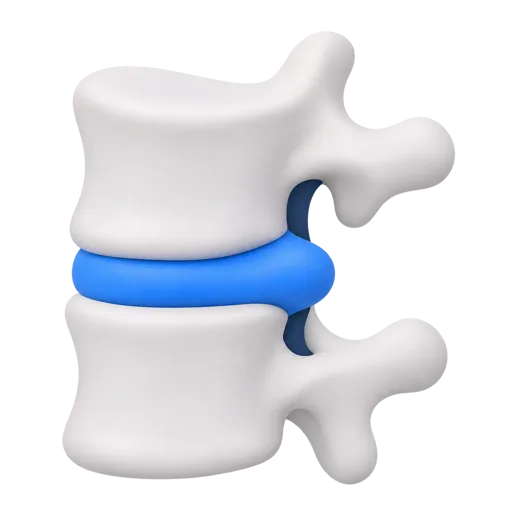 What to know about a herniated or bulging discA spinal disc is a pad between the bones of your spine. A bulging or herniated disc can press on nearby nerves and cause back, neck, arm, or leg symptoms, but some people have no symptoms; chiropractic care may be one option to help manage symptoms after serious causes are ruled out.

 Red-flag symptoms: when to see a doctor or call 911Some symptoms need a doctor or emergency care before any chiropractic visit. Red flags include loss of bladder or bowel control, saddle numbness, worsening leg weakness, and stroke-like signs.
Find a chiropractor
Find a chiropractor for sciatica