
Chiropractic care for teens: what to know
Share this page
Chiropractic care for teens uses hands-on spinal adjustments to support comfortable movement. It is not a treatment for growing pains, scoliosis, or other health conditions, so a doctor should check any new or worsening pain first.
- 4,548 pediatric offices listed
- in 50 states
7 min readPublished November 21, 2026Updated November 24, 2026
AI-assisted. AI disclosureEditorial policy













What chiropractic care is
A chiropractor is a licensed health care provider. The full title is Doctor of Chiropractic, or DC. Their training focuses on the spine, joints, and muscles. They do not prescribe medicine or perform surgery.
Chiropractors use their hands or a small tool to apply a controlled force to joints, mostly in the spine. This is called a spinal adjustment. The goal is to support movement and comfort.
Chiropractors sometimes use the word subluxation. For them, it means a spinal joint that is not moving well. It does not mean a bone is out of place.
Chiropractic care does not treat diseases or health conditions. It is not a treatment for scoliosis, asthma, ADHD, ear infections, or autism. It is a supportive form of bodywork, not a medical treatment.
Why some teens go to a chiropractor
Teens may see a chiropractor for general aches after a doctor or parent has checked for other causes. Common reasons include:
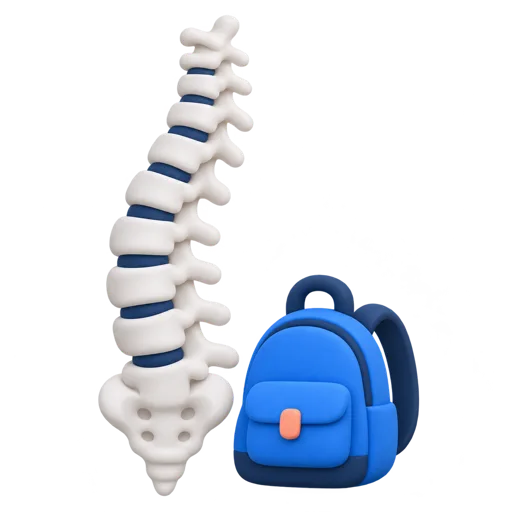
- Soreness from carrying a heavy backpack
- Back or neck tension from long hours on a phone or computer
- Sports-related aches from practice or games
- General stiffness from sitting in class
- A desire to learn stretches and posture tips
These reasons are not medical conditions. A chiropractor may help with comfort and movement, but they do not treat an injury or illness.
Always have a doctor check new pain, night pain, or pain after a fall or crash first.
What a first visit may look like
Every clinic is a little different. Here is what often happens.
The front desk will ask for health history and insurance information. A parent or guardian usually needs to come with anyone under 18.
The chiropractor will ask about your teen's pain, activities, sleep, and sports. They may look at posture, range of motion, and how the teen moves.
Some chiropractors may suggest x-rays if there is a reason, such as a recent injury or a possible bone problem. Many times, x-rays are not needed for a simple muscle or joint ache.
The chiropractor may explain what they found and suggest a short plan. A good plan has clear goals and a time to check progress.
What to tell the chiropractor
Your teen should share any aches, numbness, tingling, headaches, or past injuries. Write down medicines, vitamins, and any health conditions. Mention sports, falls, or crashes.
This helps the chiropractor decide whether an adjustment is safe. It also helps them suggest simple habits or exercises that fit your teen.
What an adjustment is
A spinal adjustment is a quick, controlled movement of a joint. It is usually done with the hands. The teen may hear a pop or crack. That sound is gas moving in the joint, not bones breaking.
Adjustments for teens are often gentle. The chiropractor may use less force than they would for an adult. They may also use a table or a small tool.
An adjustment does not put bones back in place. It does not treat or resolve a medical condition. It is one way to help a joint move more easily.
Some teens feel sore after an adjustment, just like after a new exercise. That soreness should be mild and short. Tell the chiropractor if it is not.
Safety and red flags for teens
Chiropractic care is usually safe for healthy teens when done by a licensed chiropractor. But there are times when an adjustment is not the right next step.
Call 911 or go to an emergency room, not a chiropractor, if your teen has:
- Loss of bladder or bowel control
- Numbness in the saddle area, which is the inner thighs and groin
- Leg weakness or numbness that is getting worse
- Stroke-like signs such as a sudden severe headache, trouble speaking, face drooping, or weakness on one side, especially after a neck injury or neck manipulation
See a doctor before chiropractic care if your teen has:
- Fever with back pain
- Back pain after a fall, crash, or other injury
- A history of cancer or osteoporosis with new back pain
- Unexplained weight loss
These red flags can point to a medical problem that needs a doctor, not an adjustment.
Neck care and stroke risk
Some chiropractic adjustments involve the neck. Neck manipulation carries a rare but serious risk of blood vessel injury, which can lead to stroke.
Researchers do not agree on whether the adjustment itself causes the stroke or whether the person already had a blood vessel problem. This guide takes no position on that question.
What matters is speed. If your teen has stroke signs after a neck adjustment or a neck injury, call 911 right away. Do not wait.
Talk with your teen and their doctor
Teens should tell a parent or trusted adult about pain, numbness, or tingling. Hiding pain can make it harder to get the right help.
If your teen has new or worsening pain, a doctor should check them first. This is especially true for pain that wakes them at night, pain after a fall or crash, or pain with the red flag signs above.
Once a doctor has ruled out other causes, a chiropractor can be one part of staying comfortable and active. The chiropractor should be willing to talk with your teen's doctor if needed.
Questions to ask before care
Use these questions at the first visit or before you book.

What license and training do you have?
How do you decide if an adjustment is safe for my teen?
What will you do if their pain gets worse?
Do you have experience with teens?
Can we start with a short plan and check progress?
What will care cost, and how do I check insurance?
What exercises or posture habits can we try at home?
A good chiropractor answers these questions clearly and does not push a long, expensive plan.
Simple habits that may help
Heavy backpacks and long screen time are common sources of teen back and neck tension. These habits may help, and they do not cost anything.
- Use both backpack straps and keep the pack close to the back.
- Pack only what is needed for the day.
- Raise screens to eye level and take a break every 30 to 45 minutes.
- Move around between classes or study sessions.
- Sleep on a supportive mattress and avoid stomach sleeping.
These are general comfort tips, not medical advice. A chiropractor or physical therapist may suggest more.
When chiropractic may not be right for your teen
Chiropractic care is not for every teen. It may not be a good fit if:
- The teen has any red flag symptoms listed above
- A doctor has not checked new or worsening pain
- The teen has a bone condition, bleeding problem, or cancer
- The chiropractor promises results, asks for a big upfront payment, or pushes a very long plan without checkpoints
Tell the chiropractor about all health issues, medicines, and past surgeries. Honesty helps keep care safer.
Consent and records for teens
If your teen is 18 or older, they may sign their own consent forms. If under 18, state laws vary. Some states allow older teens to consent to certain care, but chiropractic clinics usually ask for a parent or guardian.
Bring a photo ID and insurance card. Ask the clinic about their policy before the visit.
The bottom line
Chiropractic care can be one way to support comfort and movement for some teens. It is not a treatment for disease, and it does not replace a doctor's care.
Start with a doctor check when pain is new, severe, or does not go away. Call 911 for red flag signs. Then, if you decide to try chiropractic care, ask questions, check licenses, and keep the plan short enough to reassess.
This guide is general education, not medical advice. Ask your teen's doctor or chiropractor about your own situation.
You can use Chiropractor Navigator to find a chiropractor who takes your insurance and is a match for your teen.
Sources
Is chiropractic care safe for teens?
For most healthy teens, chiropractic care with a licensed chiropractor is considered low risk. But no care is risk-free. A doctor should check new or worsening pain first, and you should call 911 for red flag signs like saddle numbness or stroke symptoms.
Does my teen need a parent or guardian at the visit?
In most states, yes. Anyone under 18 usually needs a parent or guardian to attend and sign consent forms. Some states have exceptions for older teens, so call the clinic ahead to ask about its policy.
Can chiropractic care help with sports injuries?
A chiropractor may help with movement and comfort after a doctor has checked a sports injury. But chiropractic care does not treat the injury itself. First see a doctor for sharp pain, swelling, inability to bear weight, or pain after a hard hit.
Will my teen need x-rays?
Not always. Many simple aches do not need x-rays. A chiropractor may suggest x-rays if there is a recent injury, possible bone problem, or a red flag. Ask why an x-ray is needed before agreeing.
How many visits will a teen need?
No one can promise a set number. It depends on the teen's goals, how they respond, and what the chiropractor finds. A reasonable plan usually starts with a short set of visits and a check-in to decide next steps.
Share this page
Related

 Chiropractic care for athletes and runnersChiropractic care may help athletes and runners manage soreness, stiffness, and joint strain from training. It is not a replacement for medical care, so ask your chiropractor or doctor what fits your sport and body.

 Posture for kids: what parents can knowThere is no single perfect posture for kids. What matters most is easy movement, no pain, and the option to ask a chiropractor for a posture check if you have concerns.

 What to expect at your first chiropractic visitA first chiropractic visit usually includes a health history, a physical exam, and a clear plan discussion. You may receive a spinal adjustment that day if you and the chiropractor agree it is appropriate.
Find a chiropractor
Find a chiropractor for teens