
What to know about chiropractic care for babies and children
Share this page
Chiropractic care for babies and children is a personal choice. This guide explains what it involves, what to ask, and when to see a doctor first.
- 4,548 pediatric offices listed
- in 50 states
6 min readPublished November 21, 2026Updated November 24, 2026
AI-assisted. AI disclosureEditorial policy













What chiropractic care for babies and children is
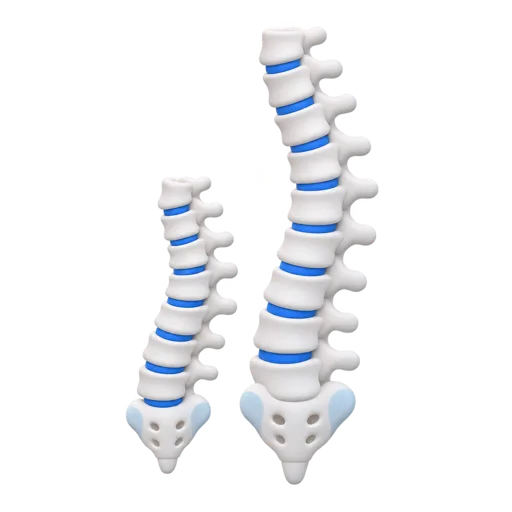
Chiropractic care focuses on how the spine and joints move. A chiropractor, also called a Doctor of Chiropractic (DC), uses hands or a small tool to apply a controlled force to a joint. For babies and children, the force is usually very light. Some chiropractors use a fingertip touch or a small spring-loaded tool.
Parents seek this care for different reasons. Some want to support comfort after a fall or a sports bump. Others ask about it for posture, general wellness, or fussiness. It is not a treatment for colic, ear infections, autism, ADHD, or asthma. Those conditions need a doctor's care.
What to expect at a pediatric chiropractic visit
Your first visit should feel calm and unhurried. The chiropractor should talk with you before touching your child.
A typical first visit may include:
- a health history, including birth, milestones, pain, sleep, and activity
- watching your child move, sit, crawl, stand, or walk
- a gentle physical check of the spine and joints, with your consent
- a clear explanation of what they found and what they suggest
For a baby, you usually stay in the room. You may hold the baby or keep a hand on their leg. The chiropractor should never pressure you to start care that day. You can take time to think.
Ask what training and experience the chiropractor has with babies and children. Some DCs take extra courses in pediatric care. A state license alone does not always mean special experience with children.
How to prepare
Write down your questions before the visit. Bring a favorite blanket or toy for comfort. Try to schedule around nap and feeding times when you can. Bring your child's health history, a medication list, and your insurance card or ID.
Common reasons parents ask about chiropractic care
Parents often ask about back or neck discomfort, posture, recovery after a fall, or general movement. Some children see a chiropractor after sports or a growth spurt. Some parents ask about conditions like colic, ear infections, asthma, ADHD, or autism.
Chiropractic care is not a treatment for those conditions. Research does not clearly show it helps them. If you have concerns about those, start with your child's doctor.
What chiropractic care is not
- It is not a treatment for any disease.
- It is not a substitute for a medical exam or a doctor's care.
- It is not a treatment for infections or developmental conditions.
- It is not a reason to delay a pediatric visit or an emergency visit.
What the research shows
Research on chiropractic care for children is limited. Most studies focus on adults. For many childhood conditions, there is not enough clear evidence to say it helps. That is one reason to talk with your child's doctor first. If a chiropractor claims to treat a medical condition, ask for plain-language evidence and then check with your child's doctor.
Safety and red flags
No treatment is risk-free, including chiropractic care. For children, the touch should be very light. Ask the chiropractor to explain the possible risks before any care.
Call 911 or see a doctor right away, and do not get an adjustment, if your child has any of these:
- loss of bladder or bowel control or numbness in the saddle area
- leg weakness or numbness that is getting worse
- stroke-like signs such as a sudden severe headache, trouble speaking, face drooping, or weakness on one side, especially after a neck injury or neck manipulation
- back pain with a fever, back pain after a fall or crash, a cancer or osteoporosis history with new back pain, or unexplained weight loss
Neck adjustments are rare but serious risks have been reported. This guide does not take a position on whether neck care causes or prevents stroke. If you see stroke-like signs, call 911.
What to ask a chiropractor
Before you book, call the office and ask a few questions. A good chiropractor will answer clearly and without rushing you.
- Do you have experience with babies and children this age?
- What training do you have in pediatric care?
- Will you use hands, a small tool, or a table?
- What will the visit cost, and what does my plan cover?
- What are the possible risks, and when should we stop or call a doctor?
- How will we know if care is helping? What if we see no change?
Write down the answers. If anything feels unclear, ask for plain language.
What babies and children may feel
A visit should not be painful. Some children may feel light pressure or a quick tap. They may be surprised by a new person or new touch. A good chiropractor works slowly and watches your child's reactions.
You can pause or stop at any time. You are the parent or caregiver. You have the right to say no to any part of the visit. If your child is upset, a caring provider will stop and check in with you.
Some parents worry about force. Pediatric adjustments use much less force than adult adjustments. A chiropractor may use one finger, a light touch, or a small tool. The goal is to check movement, not to force a joint. Ask to see the technique before it is used on your child.
Some babies move or cry during the visit. That is normal. Crying can mean discomfort, surprise, or just being tired. A good chiropractor will pause and explain.
After the visit
Some children may be sleepy or fussy for a short time. Mild soreness can happen. Call your doctor if pain is new, worse, or lasts more than a day or two, or if your child has weakness, numbness, fever, or changes in bowel or bladder.
Is chiropractic care right for your child?
This is a personal choice. The clearest reason to see a chiropractor is a specific concern about how a joint moves, after a doctor has ruled out other causes.
For general wellness, there is little research. Talk with your child's doctor before starting any new kind of care. Your doctor can help you decide what is safe and necessary. They can also tell you if your child needs a different type of provider.
Ask how many visits they suggest and why. You do not have to agree to a long plan up front. A reasonable provider will explain how they will measure progress. If you see no change after a few visits, talk about stopping or trying something else.
Cost and insurance basics
Cost depends on the exam, visit length, office location, and whether you use insurance. Ask for an estimate before your first visit. Some offices offer a cash rate, and some plans cover only certain care. Ask how billing works for pediatric visits. You can use Chiropractor Navigator to search for chiropractors by insurance, technique, and location.
How to find a chiropractor for a child
Look for a provider who welcomes children and answers your questions. When you have a short list:
- Check the license with your state chiropractic board.
- Ask about experience with your child's age.
- Read parent reviews, but weigh them carefully.
- Call the office and ask how they handle infants and kids.
A first visit is a chance to observe. You do not have to commit to a long care plan that day. If something feels rushed, too expensive, or not right for your child, you can get a second opinion or wait.
Closing thoughts
Chiropractic care for babies and children is optional. It may help some families feel more comfortable, but it is not a proven treatment for medical conditions. Start with your child's doctor when you have a health concern. Ask clear questions, watch how the chiropractor treats your child, and stop any time you feel unsure.
Sources
Is chiropractic care safe for babies?
Chiropractic care for children usually uses very light touch, but no treatment is risk-free. Ask the chiropractor to explain risks and always check with your child's doctor first.
Can chiropractic care help with colic or ear infections?
Chiropractic care is not a treatment for colic, ear infections, or other medical conditions. Research does not clearly show it helps these. Talk with your child's doctor about those concerns.
What age can a child see a chiropractor?
Some chiropractors see babies and children, but this is a personal choice. Ask about their training and experience with your child's age before booking.
How do I know if a chiropractor is right for my child?
Look for a licensed chiropractor who welcomes children, answers your questions, and never pressures you into care. A first visit is a chance to observe and decide.
What should I do if my child has pain after a visit?
Mild soreness can happen, but call your doctor if pain is new, worse, or lasts more than a day or two. Also call if your child has weakness, numbness, fever, or changes in bowel or bladder.
Share this page
Related

 Chiropractic care for teens: what to knowChiropractic care for teens uses hands-on spinal adjustments to support comfortable movement. It is not a treatment for growing pains, scoliosis, or other health conditions, so a doctor should check any new or worsening pain first.

 Posture for kids: what parents can knowThere is no single perfect posture for kids. What matters most is easy movement, no pain, and the option to ask a chiropractor for a posture check if you have concerns.

 Questions to ask a new chiropractorAsk a new chiropractor about your specific symptoms, their experience with those symptoms, what care may look like, and costs. This guide gives you a simple list of questions to bring to your first phone call or visit.
Find a chiropractor
Find a pediatric chiropractor