
Posture for kids: what parents can know
Share this page
There is no single perfect posture for kids. What matters most is easy movement, no pain, and the option to ask a chiropractor for a posture check if you have concerns.
- 4,548 pediatric offices listed
- in 50 states
7 min readPublished November 21, 2026Updated November 24, 2026
AI-assisted. AI disclosureEditorial policy













What healthy posture means for kids
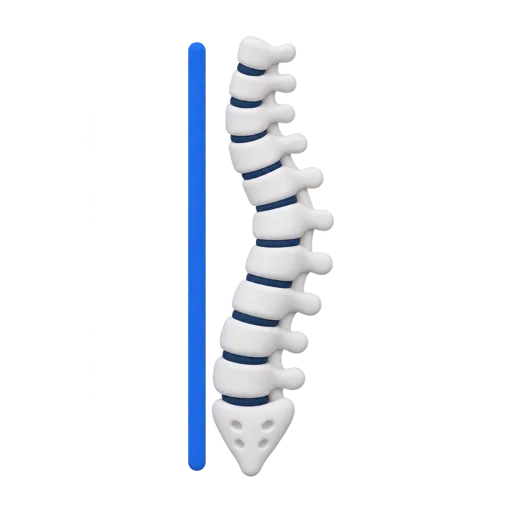
Good posture for kids is not one stiff position. It means your child can sit, stand, and move without pain or strain. A child with healthy posture can shift from sitting to standing easily and looks relaxed, not locked into one shape.
Kids are built to move. Their spines have gentle curves that develop over time. These curves help absorb shock and support the body. Posture changes throughout the day. That is normal. No child needs to hold a perfect posture for long periods.
Instead of aiming for a straight back, look at whether your child can move freely. Can they turn their head both ways? Can they bend to pick up a toy? Do they complain about aches after sitting? Those clues matter more than a photo-perfect stance.
Why posture changes as kids grow
Growth spurts can make posture look awkward. Legs grow faster than the trunk at times. Arms and shoulders may look uneven while the body catches up. This is often a normal phase.
Day to day habits also shape posture. Carrying a heavy backpack on one shoulder, hunching over a phone, and sitting for long stretches can tire muscles. Tired muscles may make a child slump. Slumping is not always a problem if it changes with movement.
Some children have a side-to-side curve of the spine, called scoliosis. This is not caused by poor posture or a heavy backpack. It is usually found during growth years. A doctor or chiropractor can check for it if there is a concern.
Backpacks and school gear
A backpack that is too heavy or worn on one shoulder can pull a child into a leaning position. This can tire the back, neck, and shoulder muscles.
You can help your child set up a lighter, better-fitting bag:
- Choose a backpack with two wide, padded shoulder straps.
- Use both straps, not one.
- Pack the heaviest items close to the child's back.
- Keep the load light. A good clue is whether the child leans forward to carry it.
- Adjust the straps so the bottom of the pack sits near the waist, not low on the hips.
- Use the waist or chest strap if the pack has one. It helps spread the load.
Let your child help pack. This teaches them to notice what feels too heavy.
Screens, phones, and study setups
Looking down at a phone or tablet for a long time can make the neck and upper back work harder. Some people call this forward head posture. It is not a disease. It is a habit pattern that can make muscles tired.
Small changes can help:
- Raise a phone or tablet closer to eye level instead of looking down.
- Set up a computer or laptop so the top of the screen is near eye level.
- Use a chair that lets feet rest flat on the floor or a footrest.
- Take movement breaks every 30 minutes or so.
- Switch positions often. Sitting still for too long can tire the body, even with good posture.
For younger children, keep screen time in short bursts. For older kids, encourage standing, stretching, or a quick walk between tasks.
Everyday habits that support healthy posture
You do not need a special program. A few simple habits can help a child's body feel better.
- Make movement a normal part of the day. Walking, climbing, running, and playing all count.
- Encourage active play instead of long stretches on a couch or bed.
- Offer different positions during homework or reading. Floor time, standing at a counter, and sitting at a desk can all work.
- Check that shoes fit well and feel comfortable. Shoes that pinch can change how a child walks.
- Keep sleep routines steady. A tired child may slump more during the day.
None of these habits force a certain posture. They support a body that can move and rest in different ways.
Simple posture checks at home
You can look at your child from the side and from behind. This is not a diagnosis. It is just a way to notice patterns.
From the side, see if the head is far forward of the shoulders or if the upper back looks very rounded. From behind, check if one shoulder or hip looks much higher than the other, or if the head tilts to one side.
If you see a big difference between left and right sides, or if your child has pain, make an appointment with a pediatrician or a chiropractor. A small difference can be normal. A big, sudden change, or one with pain, deserves a closer look.
Do not try to force a child into a position. Instead, ask your child to stand naturally. Then ask them to move, reach, twist, and bend. Watch how they manage. Movement quality matters more than stillness.
What a chiropractor may do
A chiropractor, also called a Doctor of Chiropractic (DC), may check your child's posture as part of a visit. The chiropractor may ask about your child's activities, pain, and growth. They may look at how your child stands, walks, bends, and turns.
The chiropractor may also feel how the spine moves. In chiropractic terms, a joint that is not moving well is sometimes called a subluxation. A chiropractor may use a spinal adjustment to help that joint move better. The goal is to support movement and comfort, not to force a certain posture.
A chiropractor should not promise a certain result. A good plan includes simple home habits, like movement breaks, backpack fit, and setup changes. Always ask the chiropractor to explain what they find and what they suggest.
Questions to ask at the visit
Before the exam, ask a few questions to feel more at ease:

How much experience do you have with children in this age range?
What will the exam include?
Will you explain each step before you do it?
What signs would make you send us back to our pediatrician?
Write down your answers. A clear, calm office will welcome these questions. If an office rushes you or avoids answers, you can leave and look elsewhere.
Red flags: when to call your child's doctor first
Posture is not urgent on its own. But some signs need medical care right away. Call 911 or get emergency care if your child has:
- Loss of bladder or bowel control with back pain
- Numbness in the saddle area, which is the inner thighs, groin, or buttocks
- Leg weakness or numbness that is getting worse
- Sudden severe headache, trouble speaking, face drooping, or weakness on one side, especially after a neck injury or neck adjustment
See a doctor first, not a chiropractor, if your child has:
- Back pain with a fever
- Back or neck pain after a fall, crash, or sports injury
- A history of cancer or osteoporosis with new back pain
- Unexplained weight loss with back pain
These steps are for safety. They do not replace a medical evaluation.
When to ask about posture
Most posture quirks are not medical problems. But you may want a professional check if your child:
- Has back, neck, or shoulder pain that lasts more than a few days
- Limps or avoids using one arm or leg
- Has uneven shoulders or hips that you notice consistently
- Complains of numbness or tingling
- Has trouble keeping up with friends during play or sports
Start with your child's doctor if you are unsure. A chiropractor can also do a movement and posture check. Many parents bring a child to a chiropractor for a general look at posture, especially during growth spurts.
Finding a chiropractor for your child
If you decide to see a chiropractor, call ahead. Ask if the office sees children. Ask what a first visit looks like. Ask about the chiropractor's training and experience with pediatric care.
Chiropractor Navigator lets you search by insurance, technique, and location. That can help you find a chiropractor near you who takes your plan. Still confirm coverage directly with the office before the visit.
A good visit should feel calm and clear. You should never feel rushed. The chiropractor should explain each step and welcome your questions.
Sources
What does good posture look like in a child?
A child with healthy posture can sit, stand, and move without pain or strain. The head is usually over the shoulders, and the shoulders and hips look level when standing. It is more about easy movement than a stiff, straight shape.
Can a heavy backpack cause long-term posture problems?
A heavy or uneven backpack can tire muscles and make a child lean or slump. Changing the load and wearing both straps can reduce that strain. It is not usually the only cause of long-term posture issues.
Should a child sit up straight all the time?
No. Holding one position for too long can tire muscles. It is better for a child to change positions often and take movement breaks.
Can a chiropractor fix my child's posture?
A chiropractor may check how your child moves and suggest habits that support comfort. They should not promise a certain posture result. Talk with your child's doctor if you have concerns.
When should a parent see a doctor about posture?
See a doctor if your child has pain that lasts, uneven shoulders or hips, numbness, weakness, or trouble moving. Also call 911 for red-flag signs like loss of bladder control with back pain or stroke-like symptoms.
Share this page
Related
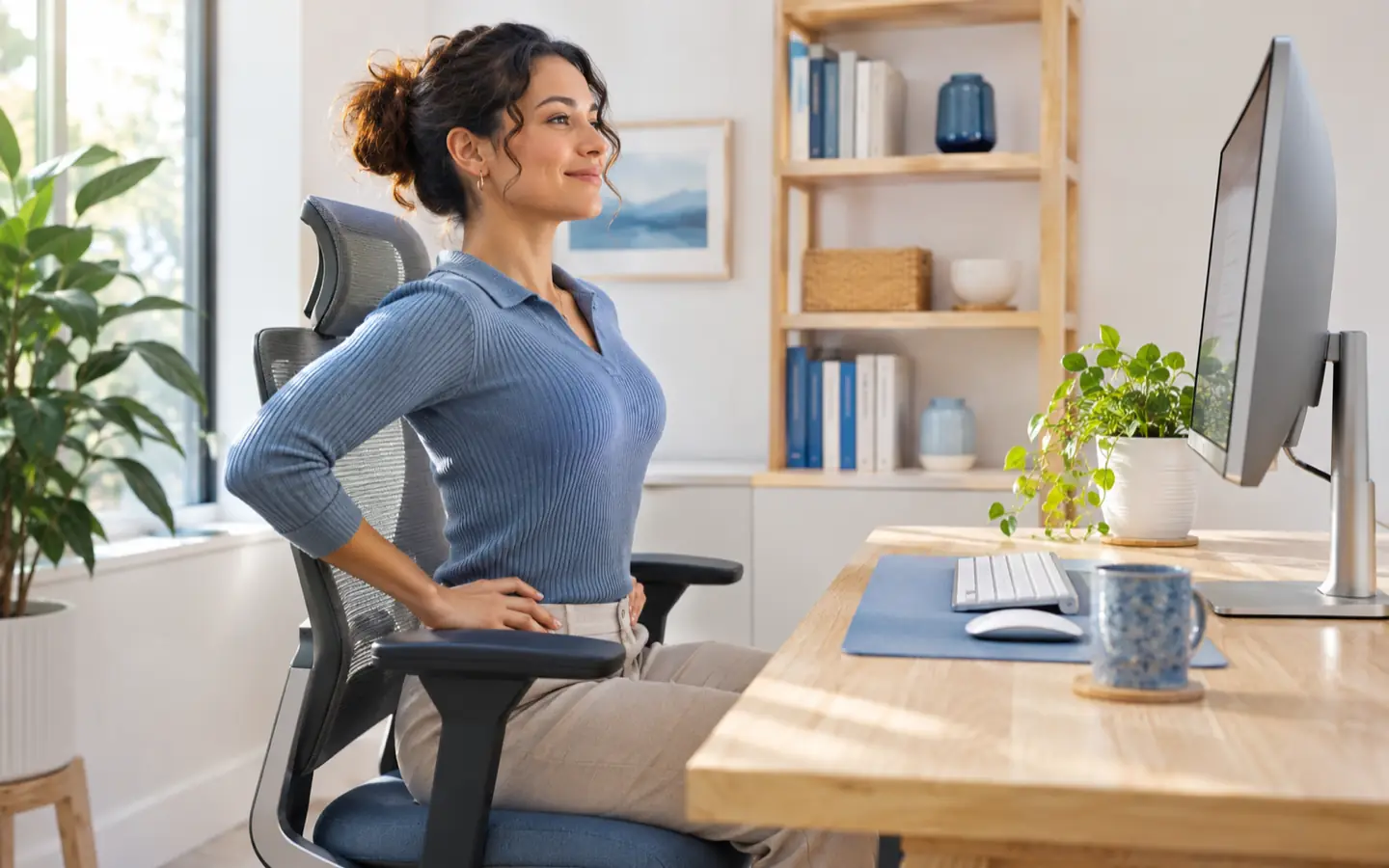
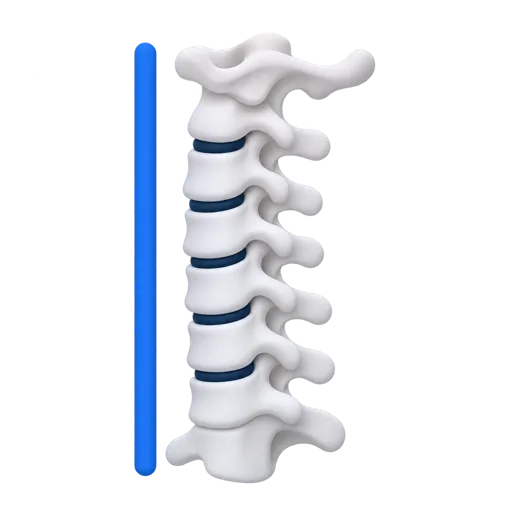 What to know about upper back and postureUpper back tightness often relates to how you sit, stand, and move during the day. A chiropractor can check how your mid-back joints move and offer general guidance, but see a doctor first for any red flags.

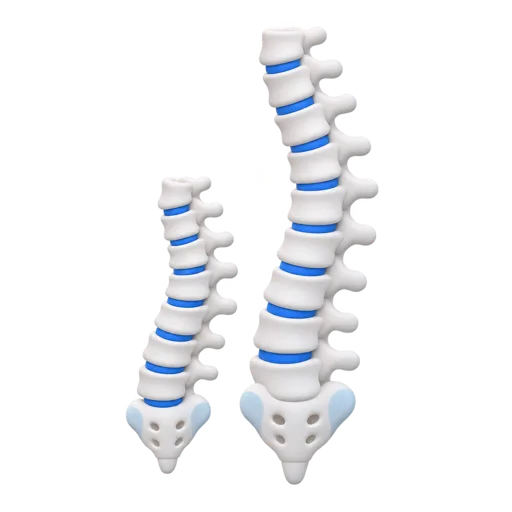 What to know about chiropractic care for babies and childrenChiropractic care for babies and children is a personal choice. This guide explains what it involves, what to ask, and when to see a doctor first.

 Home exercises between chiropractic visitsHome exercises may help you feel more comfortable between chiropractic visits. Always get clearance from your chiropractor or doctor before you start a new move, and stop if something feels sharp, numb, or weak.
Find a chiropractor
Find a pediatric chiropractor