
Care by Age and Stage Guides
Last updated November 24, 2026
These guides explain what to expect and what to ask when you think about chiropractic care at a specific age or life stage. They do not replace advice from a doctor or a chiropractor.

What these guides cover
Each guide breaks down common questions for one age or life stage, such as kids, older adults, pregnancy, and active people. You will find what to bring to a first visit, questions to ask the chiropractor, and how to check your insurance before you go. The guides use plain language and point you to the Chiropractor Navigator search tools when you are ready to find a chiropractor near you.
Who these guides help
Parents deciding whether to bring a child, adults planning for care later in life, and people who are active or expecting often have extra questions. These guides help you ask the right things before a first visit. If you are not sure chiropractic care is right for you, start with your primary care provider.
How to use these guides
Pick the guide that fits your situation. Read the questions first. Then search Chiropractor Navigator by your city or ZIP code. Check the listing facts, such as license status and insurance listed by the practice. Call the office before you go to confirm they can help with your age or stage needs.
Questions
Do children see chiropractors?
Some parents ask about chiropractic care for children. Talk to your child's doctor first. Then, if you decide to see a chiropractor, ask about their experience with children and what techniques they use. A chiropractor should explain each step before they begin.
Can older adults see a chiropractor?
Many older adults ask about chiropractic care. Before a visit, tell the chiropractor about any health conditions, falls, or bone health concerns. Your doctor can help you decide if chiropractic care is a good fit for you.
Do I need a referral for chiropractic care?
That depends on your insurance plan and your state. Some plans ask for a referral or prior approval. Check your plan documents or call the number on your card. The chiropractor's office can often tell you what the plan requires.
Is chiropractic care safe during pregnancy?
Some pregnant people ask about chiropractic care. Talk to your prenatal care provider before you make an appointment. When you call a chiropractor, tell them you are pregnant and ask how they adjust their approach. Always follow your provider's advice.

 Chiropractic Care After Pregnancy and BirthAfter pregnancy and birth, many people notice back, hip, neck, or shoulder aches from carrying and feeding a baby. Chiropractic care may be one option to discuss with your doctor or midwife, but it is not a required part of recovery.

 Chiropractic care during pregnancy: what to knowPregnant people sometimes see a chiropractor for low back, hip, and pelvic aches. Always clear care with your OB or midwife first, and know which symptoms need medical help instead.

 Chiropractic Care for Active FamiliesChiropractic care is a hands-on way to support how the spine and joints move. Active families can use it along with regular medical care, but it does not replace a doctor's care and is not right for every pain.

 Chiropractic care for athletes and runnersChiropractic care may help athletes and runners manage soreness, stiffness, and joint strain from training. It is not a replacement for medical care, so ask your chiropractor or doctor what fits your sport and body.

 Chiropractic care for caregivers: what to knowCaregiving can strain your back, neck, and shoulders. Chiropractic care may be one support option, but it is not medical care or a replacement for seeing your doctor.

 Chiropractic Care for Desk and Remote WorkersSitting at a desk for hours can leave your back, neck, and shoulders feeling stiff. Chiropractic care may include a spinal assessment, adjustments, and home tips to help you move better and manage desk-related aches.

 Chiropractic care for manual labor jobsManual labor can be hard on your back, neck, hips, and knees. Chiropractic care may help you manage everyday aches and move better, especially when paired with smart work habits and a provider who checks your specific needs.

 Chiropractic Care for Older Adults: What to KnowChiropractic care is one option some older adults consider for back, neck, or joint aches. It is not a medical treatment and not a substitute for medical care, and safety steps matter before any adjustment.

 Chiropractic care for teens: what to knowChiropractic care for teens uses hands-on spinal adjustments to support comfortable movement. It is not a treatment for growing pains, scoliosis, or other health conditions, so a doctor should check any new or worsening pain first.

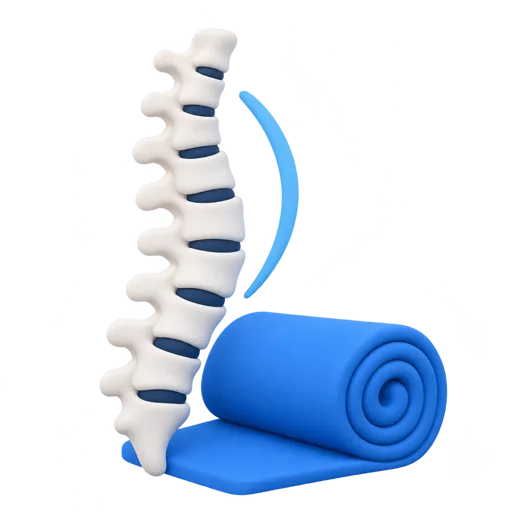 Home exercises between chiropractic visitsHome exercises may help you feel more comfortable between chiropractic visits. Always get clearance from your chiropractor or doctor before you start a new move, and stop if something feels sharp, numb, or weak.

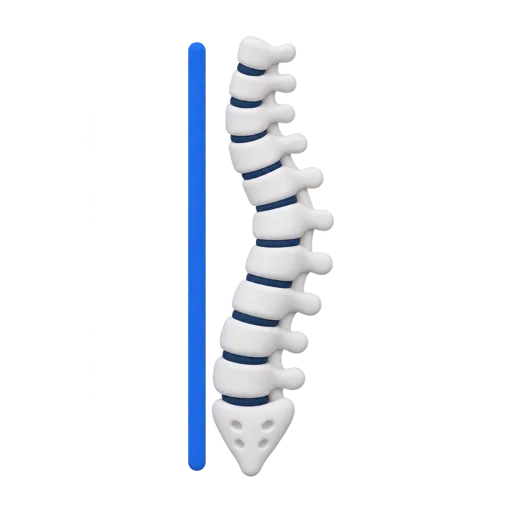 Posture for kids: what parents can knowThere is no single perfect posture for kids. What matters most is easy movement, no pain, and the option to ask a chiropractor for a posture check if you have concerns.

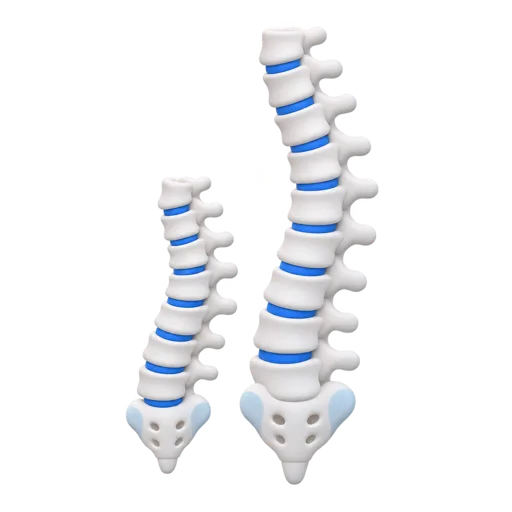 What to know about chiropractic care for babies and childrenChiropractic care for babies and children is a personal choice. This guide explains what it involves, what to ask, and when to see a doctor first.