
Chiropractors for scoliosis
Last updated November 24, 2026
You can use Chiropractor Navigator to find a chiropractor who works with people who have scoliosis. This page explains what chiropractic care for scoliosis often looks like, what to ask, and how to check your plan before your first visit.

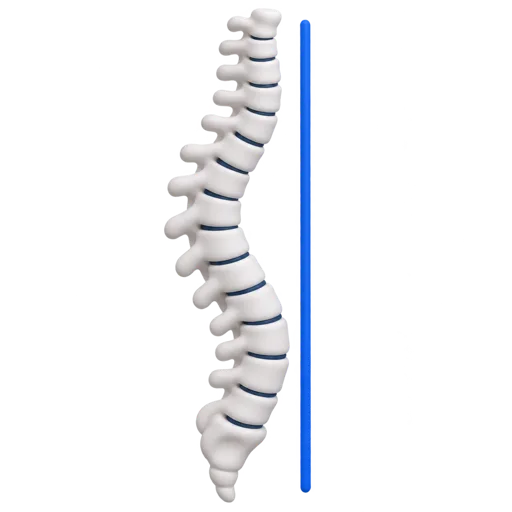
What chiropractic care for scoliosis may include
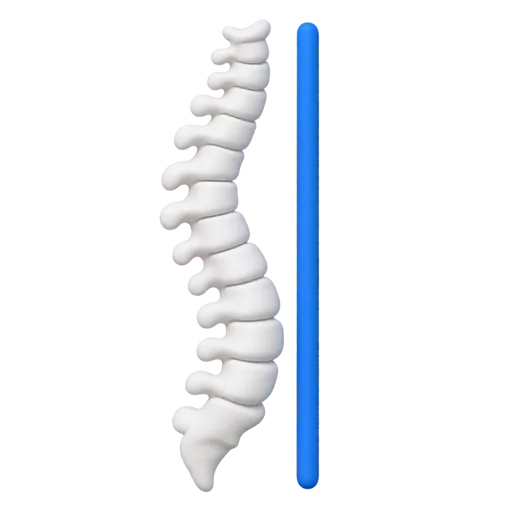
Chiropractic care is hands-on care for the spine and muscles. Scoliosis is a sideways curve of the spine. Some people have no symptoms. Others feel muscle tension, stiffness, or uneven posture.
A chiropractor may use spinal adjustments, where they apply a measured force to a joint with their hands or a small tool. They may also suggest exercises, stretches, or changes to how you sit or stand. Some practices combine these approaches to help with muscle tension, stiffness, or discomfort that can come with scoliosis.
Chiropractic care does not promise to change the curve of the spine. It is not a replacement for medical care. If you have a scoliosis diagnosis or think you might, see a medical doctor. A chiropractor can be one part of your support team.
When to see a chiropractor
You might consider a chiropractor if you have muscle stiffness, soreness, or tension around your spine and want a non-drug option. First, see a medical doctor if you have any of these red flags:

New or severe back pain

A fever with back pain

Back pain after a fall or car crash
A history of cancer or osteoporosis with new back pain
Unexplained weight loss with back pain
New numbness, weakness, or loss of bowel or bladder control
Chiropractic care is not a replacement for diagnosis or medical care. A chiropractor and your doctor can work side by side. Chiropractic care may be one part of your support plan, along with physical therapy or medical monitoring.
What to expect at a first visit
At a first visit, the chiropractor will ask about your health history, symptoms, and goals. Expect a physical exam. They may check your posture, how your spine and joints move, and where you feel tight or sore. They may ask about your scoliosis diagnosis, prior imaging, or other treatments.
Bring any imaging reports you already have, if you have them. The chiropractor will tell you what they need. They should explain what they propose, why, and what you might expect. Ask for a written plan. You can stop or say no to any part of the exam or care.
How chiropractors are trained and licensed
A chiropractor is a Doctor of Chiropractic (DC). They hold a state license from a state chiropractic board. That license means the practitioner met state requirements to practice. A DC is not a medical doctor.
On Chiropractor Navigator, we call providers 'chiropractor' or 'Doctor of Chiropractic (DC)'. We never call a chiropractor a medical doctor. We show credentials only from verified records, never as a general claim. Check a provider's license status with your state board if you want.
Questions to ask a chiropractor
Ask these questions before you start care:

What is your experience working with people who have scoliosis?
Which techniques do you use, and why do you suggest them for me?
What will we track to know if the care is helping?
How often do you suggest visits, and for how long?
Will you coordinate with my doctor or physical therapist?
What are the possible risks, and when should I stop or seek other care?
Write down the answers. A good chiropractor will answer in plain words and respect your questions.
How insurance and payment usually work
Many chiropractors accept health insurance, and many also offer self-pay, HSA, FSA, or membership options. What a health plan pays depends on the plan. Ask the office for your plan name on your card and the network name. Ask whether they are in network for that plan.
Some plans use a separate network to manage chiropractic benefits, such as American Specialty Health or Optum. Check your plan's own provider search to confirm. If you pay out of pocket, ask for a good-faith estimate before care. Chiropractic care for a medical reason may qualify as an HSA or FSA expense, but care for general wellness may not. Ask your tax or benefits advisor if you are unsure.
 Blue Cross Blue Shield
 UnitedHealthcare
 Aetna
 Cigna
 Humana
 Kaiser Permanente
 Medicare
 Medicare Advantage
 Medicaid
 TRICARE
 American Specialty Health
 Optum
 Auto accident / PIP
 Workers' compensation
 VA Community Care
 Self-pay / HSA-FSA
Logos identify plans. No affiliation or endorsement is implied.
How to find a chiropractor for scoliosis near you
Start on the Chiropractor Navigator home page. Type your city or ZIP code, or tap 'Use my location' to search near you. Use the filters to narrow results by insurance, technique, and need.
Each profile shows facts from public sources, like address, phone, website, and insurance names the practice lists on its own site. We show the source and date for each fact. If a listing says 'License verified', that means a state chiropractic board record matches the provider. Call the office to confirm they work with scoliosis and take your plan. You can save chiropractors in your browser to compare later. You contact practices directly. We do not book appointments.

Questions
Can chiropractic care make scoliosis go away?
No. Chiropractic care does not change the curve or make scoliosis go away. Some people use it to manage muscle tension, stiffness, or discomfort that can come with scoliosis. Talk to your doctor about treatment options.
What techniques might a chiropractor use for scoliosis?
Some chiropractors use spinal adjustments, exercises, stretches, or posture work. Techniques vary by practitioner. Ask what they propose and why. No treatment can promise a specific result.
Do I need a referral to see a chiropractor for scoliosis?
In many cases you can schedule directly, but your health plan may require a referral or prior approval. Check your plan. If you have new or worsening pain, numbness, or weakness, see a medical doctor first.
Is a chiropractor a medical doctor?
No. A chiropractor is a Doctor of Chiropractic (DC), licensed by a state chiropractic board. They are not medical doctors. They can work with your medical doctor as part of your care team.
Will my insurance pay for chiropractic care for scoliosis?
It depends on your plan. Some plans include chiropractic care and some do not. Ask the office for your plan name and network. Check your plan's provider search. A name on a practice website is not proof of coverage.
How do I find a chiropractor for scoliosis on Chiropractor Navigator?
Enter your city or ZIP on the site. Use the insurance, technique, and need filters. Look at profiles, then call or visit the practice website. Ask directly about their experience with scoliosis and your plan.
Related

 Chiropractors (General Care)Learn what general chiropractic care looks like, what to ask, what to expect at a first visit, and how to find a chiropractor near you.
 Chiropractors for back painFind chiropractors for back pain near you. Learn what chiropractic care involves, when to get checked, and what to ask before your first visit.

 Chiropractors for neck painFind chiropractors for neck pain near you. Learn what to expect, red flags to check first, and questions to ask. Free directory from Chiropractor Navigator.

 Chiropractors for sciatica and leg painFind chiropractors for sciatica and leg pain. See what to expect, what to ask, and how to search by location, insurance, and need. Free directory.

 Chiropractors for headaches and migrainesLearn what chiropractic care for headaches and migraines looks like, what to ask, and how to find a chiropractor near you. Free search, no account.
 Chiropractors for Auto Accident InjuryFind chiropractors who see people after auto accidents. Learn what to expect, questions to ask, insurance basics, and how to search by location.