
Chiropractors for Spinal Decompression
Last updated November 24, 2026
Spinal decompression is a type of chiropractic care that uses a special table to gently stretch the spine. This page explains what to expect, how to check safety, and how to find a licensed chiropractor near you.
- 202 offices listed
- in 42 states
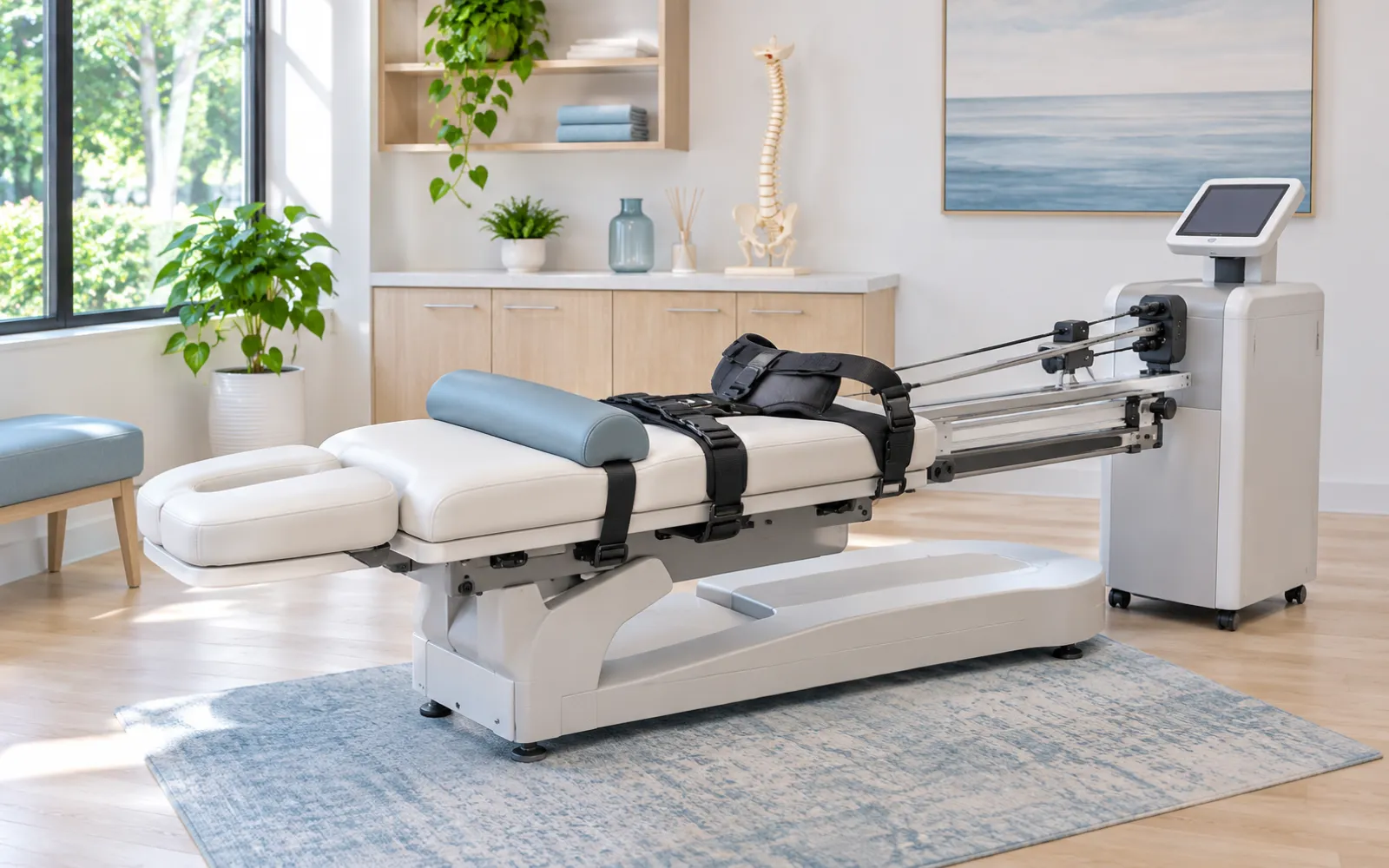

What spinal decompression looks like in plain words
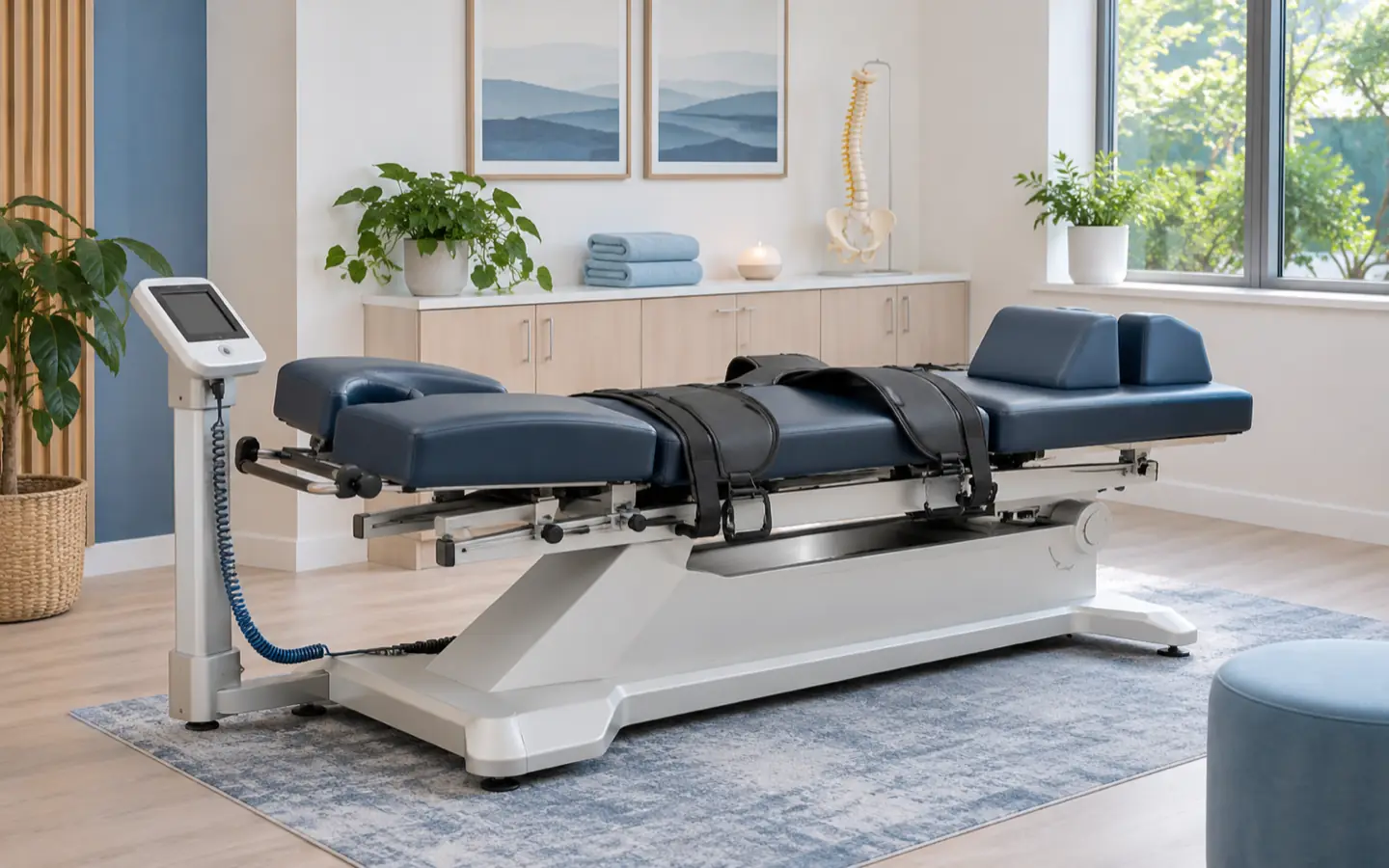
Some chiropractors offer spinal decompression as an option. You lie on a table, fully clothed. The table has a moving section that gently pulls and releases your lower back or neck in a slow rhythm. The idea is to give the discs and nearby nerves more space. The pull is usually mild, not a sudden jerk.
A chiropractor may use this alone or with other care like spinal adjustment, soft tissue work, or exercises. Not everyone needs it. Some people ask about it for back pain, neck pain, or leg symptoms such as numbness or tingling. A chiropractor can check your history and exam before suggesting any option. Research does not agree on how well it works for every person, so ask the chiropractor to explain the limits.
Who may think about this option and when to see a doctor first
People often ask about spinal decompression when they have back pain, neck pain, stiffness, or symptoms that travel into an arm or leg. It may also come up after an imaging report mentions a disc bulge, herniated disc, or degenerative changes. Those words describe findings, not a treatment plan. A chiropractor can explain what those words mean for you.
But some warning signs mean you should get emergency care or see a medical doctor first. Call 911 or go to an emergency room now if you have any of these:

New loss of bladder or bowel control

Numbness in the saddle area between your legs
Leg weakness or numbness that is getting worse
Stroke-like signs such as a sudden severe headache, trouble speaking, face drooping, or weakness on one side of the body, especially after a neck injury or neck manipulation
See a medical doctor before starting chiropractic care if you have:

Fever with back pain

Back pain after a fall or car crash
A history of cancer or osteoporosis with new back pain
Unexplained weight loss with back pain
These can be signs of a problem that needs a doctor first.
What to expect at a first visit
At a first visit, the chiropractor asks about your health history, current symptoms, and any past injuries or imaging. They do a physical exam, which may include checking how you move, your posture, muscle strength, and reflexes. They may review images you already have or suggest you see a medical doctor for imaging if something needs a closer look.
Then they explain what they found in plain words. If spinal decompression is one option, they should describe what it involves, how often they suggest visits, and what signs mean you should stop. You can always say no or ask for more time. The decision is yours.
How chiropractors are trained and licensed
A chiropractor is a Doctor of Chiropractic (DC), not a medical doctor. Chiropractors complete a chiropractic degree program after college. They pass national board exams and meet their state chiropractic board's rules to get and keep a license.
On Chiropractor Navigator, License verified appears only when a state chiropractic board record matches. This helps you check that a provider is licensed before you call.
Questions to ask a chiropractor
Ask the office these questions before you book:

Are you licensed in this state?
Do you have experience with concerns like mine?
What does spinal decompression involve in your office?
How will you decide if it is right for me?
What are the possible risks, and what signs mean I should stop?
Do you take my insurance plan, and which network applies?
Also ask for a written good-faith estimate if you plan to pay yourself.
Insurance and payment in general terms
Insurance rules for chiropractic care vary a lot. A name on a practice website is not proof that your plan will pay. Ask the office for the plan name on your card and the network name. Check your plan's provider search too. Some commercial plans route chiropractic through a separate network such as American Specialty Health or Optum. Ask which network applies.
If you pay yourself, ask about cash prices and any membership or wellness plan. Chiropractic care for a medical reason may qualify for an HSA or FSA. Care for general wellness or maintenance may not. You have a right to a good-faith estimate before care. No one should surprise you with a bill.
 Blue Cross Blue Shield
 UnitedHealthcare
 Aetna
 Cigna
 Humana
 Kaiser Permanente
 Medicare
 Medicare Advantage
 Medicaid
 TRICARE
 American Specialty Health
 Optum
 Auto accident / PIP
 Workers' compensation
 VA Community Care
 Self-pay / HSA-FSA
Logos identify plans. No affiliation or endorsement is implied.
Find a chiropractor near you
Chiropractor Navigator is a free US directory. You can search by city, ZIP, or state. Then narrow by insurance, technique, and need. Each listing shows the facts we have and the date we checked them. Look for License verified and for Confirmed by the practice on claimed listings.
Call or visit the office website to confirm hours, insurance, and whether spinal decompression is offered. You contact practices directly. We do not book appointments or charge a fee.


Questions
What is spinal decompression at a chiropractor's office?
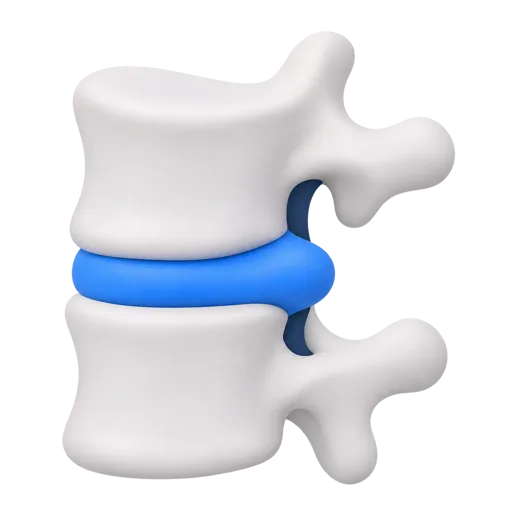
It is a type of care that uses a special table to gently pull and release the spine in cycles. The goal is to create space between the bones of the spine and reduce pressure on discs and nerves. Not every chiropractor offers it, and not everyone needs it. Ask the office what their table does and why they suggest it.
Does spinal decompression hurt?
Most people describe a slow, gentle pull, not a sudden jerk. You stay fully clothed. Tell the chiropractor right away if you feel sharp pain, new numbness, or anything that worries you. They should stop or change the setting. A small amount of soreness after a visit can happen, but severe or new symptoms are a reason to call the office or seek medical care.
How long is a visit?
A first visit is usually longer because it includes a history and exam. Follow-up visits may be shorter. The office can tell you how much time to allow before you book. It is okay to ask about visit length and cost before you go.
Will insurance pay for spinal decompression?
It depends on your plan. Some plans cover chiropractic care in general, and some do not. Some plans use a separate network such as American Specialty Health or Optum. Ask the office for your plan name and network. Check your plan's provider search before your first visit. Do not assume a name on a website means coverage.
Do I need a referral for spinal decompression?
Some plans require a referral or prior approval before chiropractic visits. Others do not. Ask your plan and the office. The office can often tell you what they see with your plan, but only your plan can confirm coverage.
What red flags mean I should see a doctor first?
Call 911 or go to an emergency room now for new loss of bladder or bowel control, numbness in the saddle area, leg weakness or numbness that is getting worse, or stroke-like signs such as sudden severe headache, trouble speaking, face drooping, or one-sided weakness. See a medical doctor before starting chiropractic care if you have a fever with back pain, back pain after a fall or crash, a history of cancer or osteoporosis with new back pain, or unexplained weight loss with back pain.
Related

 Chiropractors (General Care)Learn what general chiropractic care looks like, what to ask, what to expect at a first visit, and how to find a chiropractor near you.
 Chiropractors for back painFind chiropractors for back pain near you. Learn what chiropractic care involves, when to get checked, and what to ask before your first visit.

 Chiropractors for neck painFind chiropractors for neck pain near you. Learn what to expect, red flags to check first, and questions to ask. Free directory from Chiropractor Navigator.

 Chiropractors for sciatica and leg painFind chiropractors for sciatica and leg pain. See what to expect, what to ask, and how to search by location, insurance, and need. Free directory.

 Chiropractors for headaches and migrainesLearn what chiropractic care for headaches and migraines looks like, what to ask, and how to find a chiropractor near you. Free search, no account.
 Chiropractors for Auto Accident InjuryFind chiropractors who see people after auto accidents. Learn what to expect, questions to ask, insurance basics, and how to search by location.